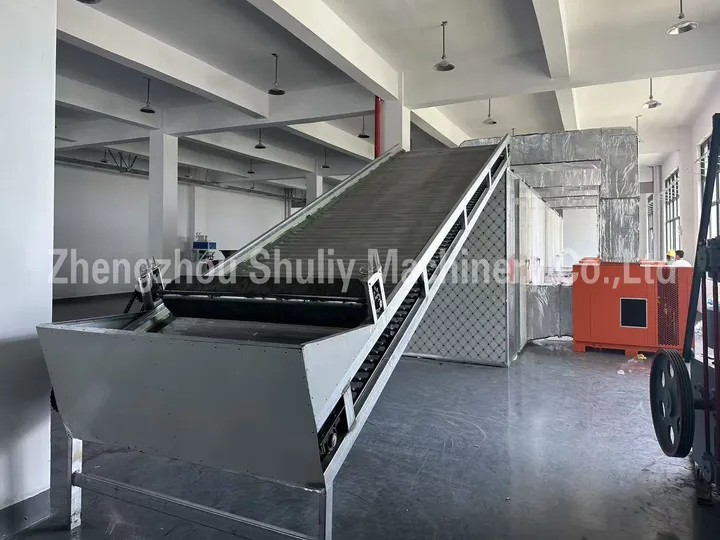
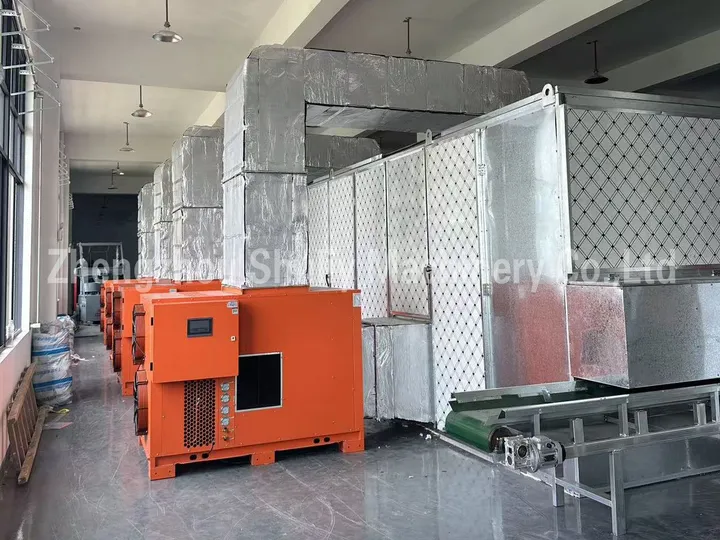
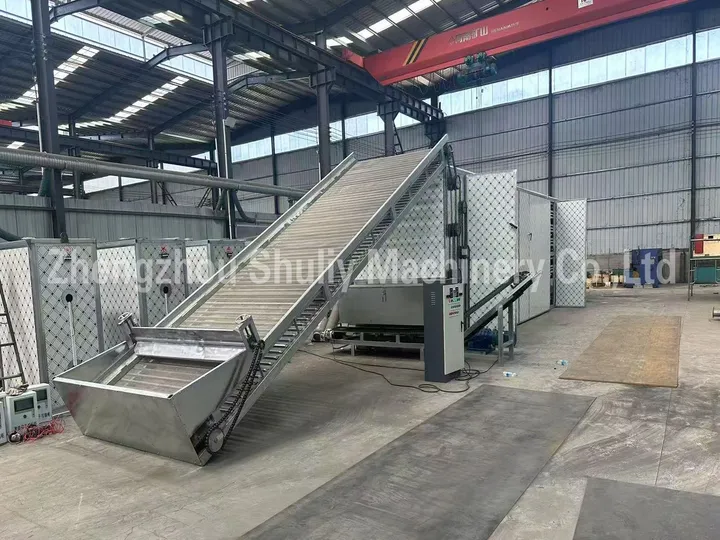
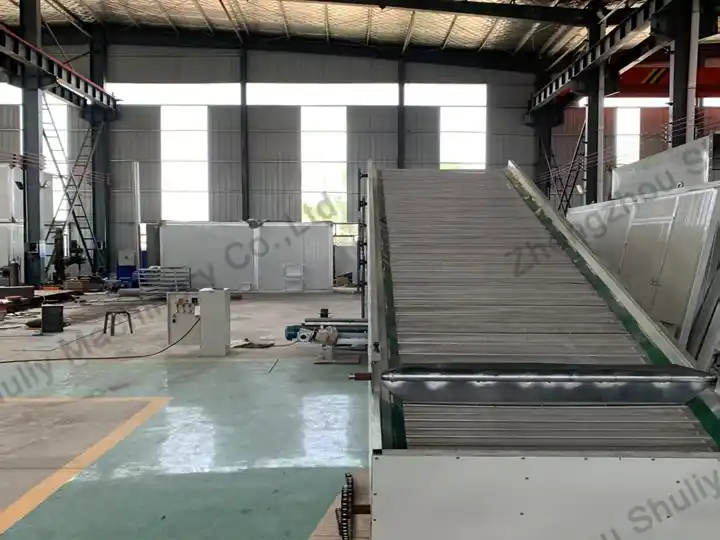
A cocoa bean belt dryer is industrial continuous drying equipment that removes moisture from fermented cocoa beans before roasting and chocolate production. The machine featured on this page is Shuliy’s mesh belt dryer, a multi-layer conveyor system that moves cocoa beans through heated air zones on a stainless steel belt. Standard models process 60 to 600 kg/h, with custom configurations reaching 14,000 kg/h for large cocoa processing plants.
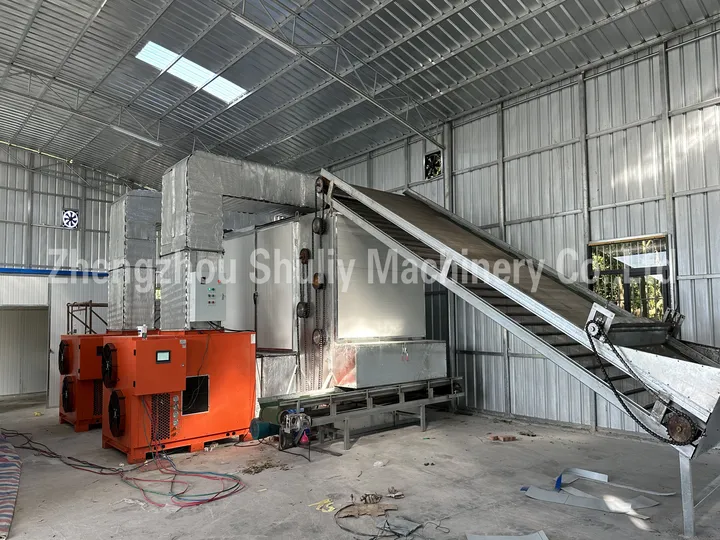
After fermentation, cocoa beans contain roughly 55–60% moisture. If they are not dried quickly to 6–8% moisture, mold grows, flavor quality drops, and entire batches can be lost. Sun drying takes 5–14 days and depends on weather. A cocoa bean dryer completes the process in 2–4 hours under fully controlled conditions, protecting the flavor compounds that determine the final chocolate quality.

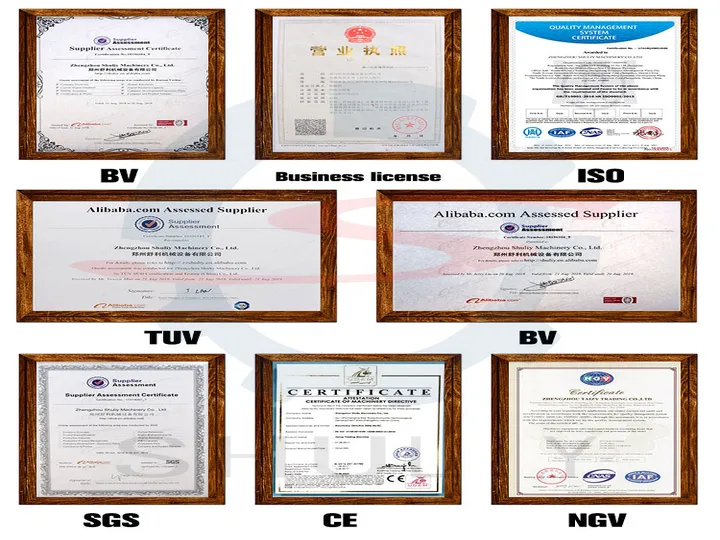
Shuliy has manufactured drying equipment for over 20 years and exports to 30+ countries. Every cocoa bean drying line is backed by layout design, installation support, and a one-year warranty with lifetime technical service.
Technical Parameters of the Cocoa Bean Belt Dryer
| 型號 | Belt Width | Drying Length | 层数 | Capacity (kg/h) | 總功率 (kW) |
|---|---|---|---|---|---|
| SL-1.2-8 | 1.2 m | 8 m | 4 | 60–160 | 11.4 |
| SL-1.6-10 | 1.6 m | 10 m | 5 | 95–250 | 13.6 |
| SL-2-10 | 2米 | 10 m | 5 | 120–300 | 15.8 |
| SL-2-20 | 2米 | 20 m | 10 | 240–600 | 36.8 |
Standard machines are 6–12 m long with 4–6 layers. Custom lengths up to 19 m and multi-unit lines are available for higher capacity.
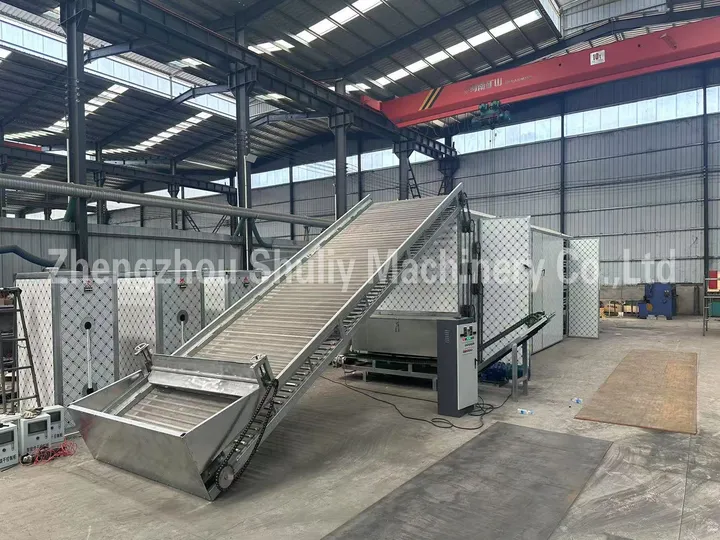
Optional Configurations
| 項目 | Options |
|---|---|
| Heat source | Heat pump / Natural gas / Diesel / Coal / Biomass / Steam / Electric |
| Belt material | 304 stainless steel mesh |
| Control system | PLC touchscreen with temperature, humidity, belt speed control |
| Feeding | Manual hopper or automatic elevator |
| 電壓 | 220V / 380V / 415V / Custom |
Why Cocoa Processors Need a Belt Dryer?
Fermented cocoa beans are one of the most moisture-sensitive agricultural products. Within 24–48 hours after fermentation, the beans must start drying. Delays cause:
- Mold growth and off-flavors
- Bean discoloration and quality downgrades
- Rejection by cocoa buyers and chocolate makers
- Price penalties of 20–40% for poor-quality lots
Sun drying on bamboo mats is the traditional method, but it has serious problems:
- Weather dependence: Rain interrupts drying and causes mold.
- Contamination: Dust, insects, and animals contact the beans.
- Uneven drying: Some beans over-dry while others stay wet.
- Labor cost: Beans must be turned by hand several times per day.
A cocoa bean belt dryer solves all of these problems with enclosed, continuous, automatic drying.
How to Dry Cocoa Beans with a Mesh Belt Dryer?
1. Raw Material Preparation
After fermentation, cocoa beans need to be screened and cleaned to remove moldy beans, husks, and other impurities. Then spread the beans evenly on the stainless steel mesh belt. A layer thickness of 2–6 cm is recommended to ensure hot air can fully penetrate the bean layer.

2. Preheating Stage (50–70 °C)
Slowly heat the beans at a low temperature to gradually evaporate surface moisture. This prevents the surface from drying too quickly and forming a hard shell, which can affect further dehydration.
3. Main Drying Stage (80–100 °C)
Hot air passes through the mesh belt from top to bottom or in a circulating manner, accelerating moisture diffusion and evaporation inside the beans. This stage is key to rapidly reducing the beans’ moisture content.
4. Equalizing Drying Stage (60–70 °C)
Lower the temperature to allow internal and external moisture to balance, ensuring even drying and consistent color.
5. Cooling and Discharge
After drying, beans enter the cooling section or cool naturally. Once the temperature drops below 40 °C, the beans are discharged. Cooled beans can go directly to packaging or storage.
6. Testing and Storage
Check moisture content with a moisture meter, keeping it below 7%. After cooling to room temperature, store the dried cocoa beans in sealed containers to prevent moisture absorption or rewetting.

Recommended Cocoa Bean Drying Temperature
| 階段 | 溫度 | 時長 | 目標水分 |
|---|---|---|---|
| Pre-drying | 50–60°C | 40–60 min | 55% → 35% |
| Main drying | 60–65°C | 60–90 min | 35% → 15% |
| Final drying | 65–70°C | 30–60 min | 15% → 6–8% |
| Total cycle | — | 2–4小時 | — |
Temperatures above 75°C should be avoided for extended periods, as excessive heat damages cocoa flavor precursors and can cause case hardening, a hard surface that traps moisture inside.
可可豆推荐干燥参数
| 項目 | 參數範圍 | 說明 |
|---|---|---|
| 乾燥溫度 | 50–120 °C | 低温保护 可可香气 |
| 乾燥時間 | 4–8 小时 | 根据初始水分进行调整 |
| 热源 | 电力、热空气、生物质 | 可定制 |
| 最终水分 | ≤7% | 符合出口标准 |
| 带材 | 304 不锈钢 | 食品级、耐腐蚀和 耐高温 |
| 网孔尺寸 | 3 mm | 防止豆子掉落, 确保通风 |
| 层数 | 2–5 层可选 | 可满足不同生产能力 |
方案优势
Continuous Automatic Drying
可24小时连续运行,节省劳力。
Uniform Drying and Consistent Color
多层热空气渗透,确保豆内外均匀脱水。
節能
热空气循环设计使能耗较传统干燥机降低超过30%
Hygienic and Safe
所有不锈钢接触面符合食品级标准。
Intelligent Control System
自动温湿度控制,确保每批次干燥的一致性。
Customizable Production Line
可按工厂规模、产量和能源需求灵活设计。
可可豆干燥生产线配置清单
| 设备名称 | 功能 |
|---|---|
| 发酵罐 / 发酵箱 | 发酵可可豆以发展所需风味 |
| 振动筛 / 筛选机 | 去除碎豆与杂质 |
| 空气分离器 / 除尘器 | 去除轻微杂质和尘埃 |
| 喂送传送带 | 将可可豆均匀摊放在干燥带上 |
| 多层连续带式干燥机 | 具有分级温控与热空气循环的核心干燥设备 |
| 热风炉/热源系统 | 提供干燥所需的热空气 |
| 排风扇系统 | 去除干燥过程中产生的水分 |
| 冷却段 / 冷却传送带 | 冷却干燥后的可可豆 |
| 排出传送带 | 将干燥的可可豆转移至收集或包装系统 |
| 水分仪 | 测量可可豆的水分含量 |
| 包装接口 / 收集系统 | 连接到包装或存储系统 |
| 电控系统 | PLC 集中控制温度、带速、气流与干燥时间 |
Notes: The above standard list is for reference only. The specific configuration should be adjusted according to the customer’s production plan. If you have any requirements, please contact our staff via the pop-up window or WhatsApp.

為何選擇舒力易?
- 20+ years of drying equipment manufacturing experience
- Exported to 30+ countries, including major cocoa regions
- Capacities from 60 kg/h to 14,000 kg/h
- Multiple heat sources: heat pump, gas, diesel, coal, biomass, steam
- Food-grade 304 stainless steel construction
- PLC automatic control with remote monitoring option
- 1-year warranty and lifetime technical support
- Free layout drawing and drying test service
与 Shuliy 合作
Shuliy’s cocoa bean belt drying machine, with its energy-saving, efficient, automated, and food-grade hygienic design, has become the ideal choice for many cocoa processing companies.
如果您想提高干燥质量、降低能源消耗并实现标准化生产,请联系我们获取定制解决方案。
Frequently Asked Questions
Can the dryer handle wet fermented beans directly?
Yes. The belt and chamber are designed for high initial moisture. We recommend a vibrating feeder to spread sticky beans evenly.
What heat source is cheapest for cocoa regions?
Biomass (cocoa pod husks, firewood) and natural gas are usually cheapest in West Africa and Southeast Asia. We can calculate running costs for your local fuel prices.
Does machine drying affect cocoa flavor compared with sun drying?
No. Controlled low-temperature drying preserves flavor precursors better than sun drying, which exposes beans to uncontrolled heat and contamination.
What is the delivery time?
Standard models ship in 15–25 days. Custom lines take 30–45 days.
Can one machine dry cocoa and coffee?
Yes. The same belt dryer handles both by adjusting the temperature curve and belt speed.
How do I verify final moisture?
We recommend an inline moisture meter or handheld meter at discharge. The PLC can also stop the cycle at a set time-based target.
What spare parts should I stock?
Mesh belt sections, drive bearings, heating elements or burner nozzles, and temperature sensors.
Get a Quote for Your Cocoa Bean Drying Machine
Whether you process 100 kg/h on a single farm or 10 tons/h in a commercial plant, Shuliy can configure the right cocoa bean drying machine for your capacity, fuel source, and quality target.
Contact us today for a free layout design, drying test report, and equipment quotation.