
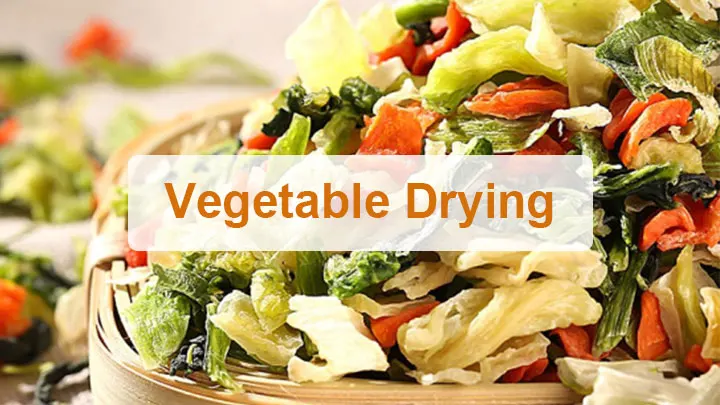
A vegetable drying production line is a complete automated system that takes fresh vegetables from receiving to packaged dried product. Shuliy designs and supplies full lines that integrate washing, peeling, cutting, blanching, dehydration, drying, and packaging. Depending on your raw material and target product, the drying section can use a mesh belt dryer for continuous output of 400–14,000 kg/h, a heat pump drying room for batch processing of 300–8,000 kg per load, or a stainless steel tray dryer for small runs of 30–240 kg per batch.
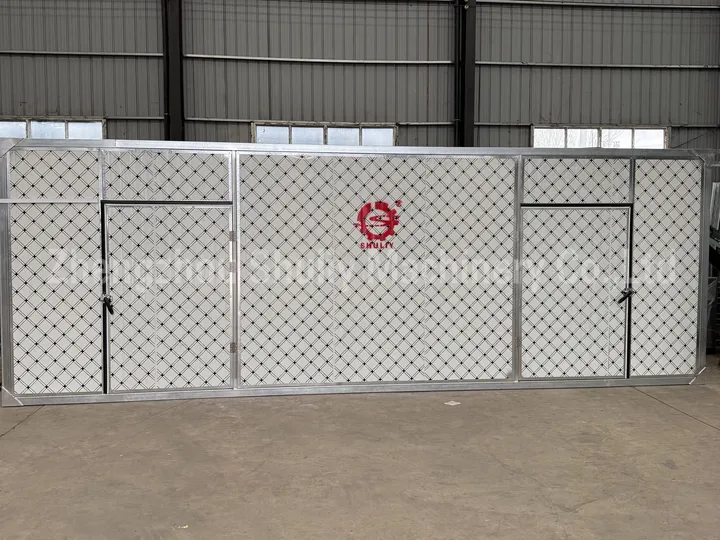
This line replaces manual sun-drying and disconnected single machines. It gives vegetable processors stable output, food-grade hygiene, and the ability to run 8–24 hours per day. Shuliy has delivered drying solutions to buyers in 30+ countries for more than 20 years. Every project is backed by layout design, installation support, and a one-year warranty with lifetime technical service.
Why Do Processors Need a Complete Vegetable Drying Line?
Fresh vegetables contain 80–95% water and spoil within days. Sun drying depends on weather and exposes food to dust, insects, and contamination. A fully automatic vegetable drying production line solves these problems by controlling every step:
- Washing and cleaning remove soil and pesticide residue.
- Cutting creates uniform pieces for even drying.
- Blanching stops enzyme activity that causes color and flavor loss.
- Drying reduces moisture to 5–12% for long shelf life.
- Packaging protects the finished product during storage and transport.
With one integrated system, you reduce labor, improve food safety, and produce a consistent, export-grade dried vegetable product.
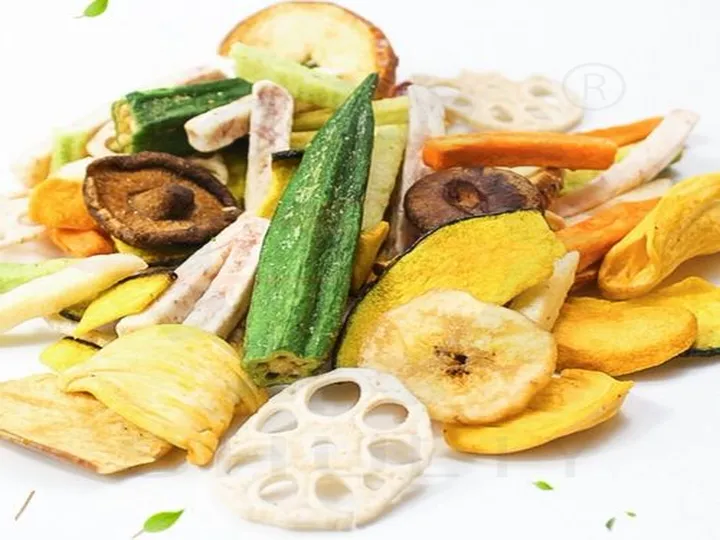
Applications of the Vegetable Drying Production Line
- Food Processing Factories: Dry vegetables, instant seasonings, and convenience food ingredients.
- Agricultural Cooperatives / Farms: Extend vegetable shelf life, increase value, and process in bulk.
- Export Trade: Support long-distance transport and meet international food safety standards.
- E-commerce & Retail: Produce ready-to-eat vegetable chips and healthy food ingredients.
Vegetable Drying Process
The vegetable drying production line mainly includes washing, peeling, cutting, conveying, drying, and packaging.
standard vegetable drying production line from Shuliy includes the following machines:
| Position | Machine | Function |
|---|---|---|
| 1 | Hoist / Feeding Conveyor | Evenly feeds raw vegetables into the line |
| 2 | Bubble Washing Machine | Removes soil, dust, and surface impurities |
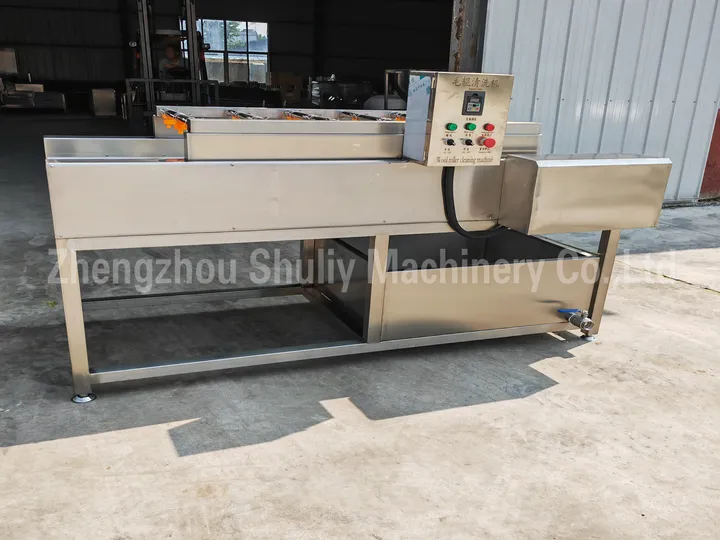
| 3 | Brush Roller Washing Machine | Deep cleans root vegetables like carrots and potatoes |
| 4 | Elevator | Transfers material to the next stage |
| 5 | Cutting Machine / Slicer | Slices, dices, or strips vegetables to uniform size |
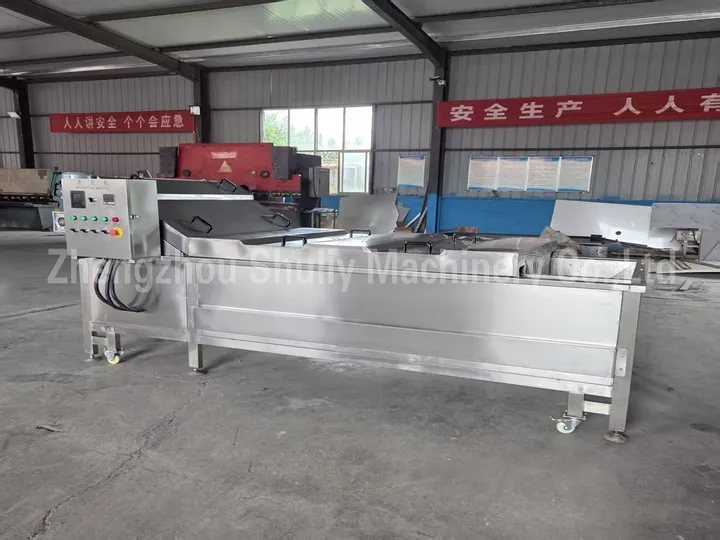
| 6 | Blanching Machine | Briefly heats vegetables to stop enzymes and preserve color |
| 7 | Vibrating Dewatering Screen | Removes surface water before drying |
| 8 | Main Dryer | Removes internal moisture to 5–12% |
| 9 | Cooling Conveyor | Lowers product temperature before packaging |
| 10 | Packaging Machine | Weighs, fills, and seals bags or cartons |
Vegetable Washing
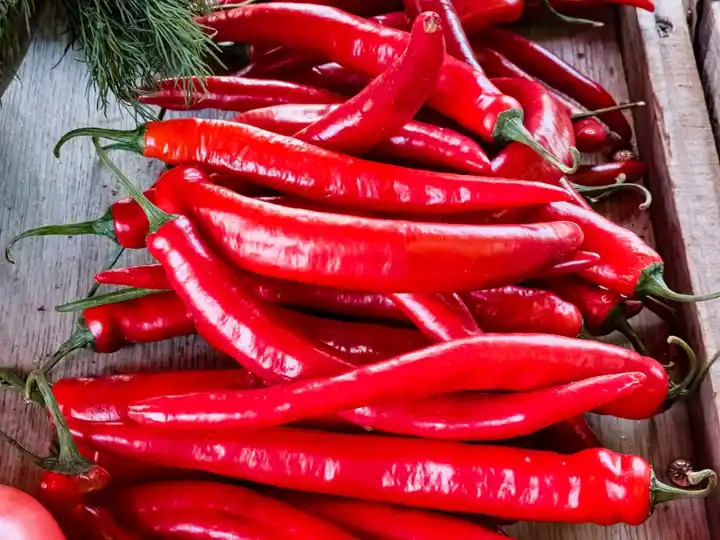
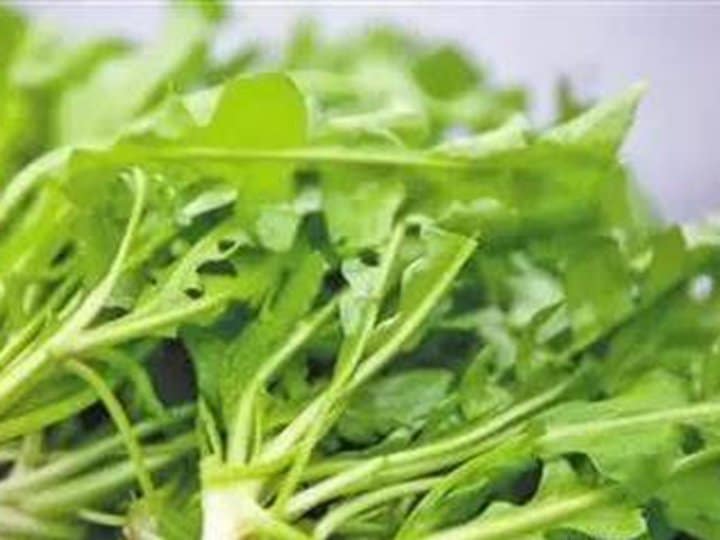
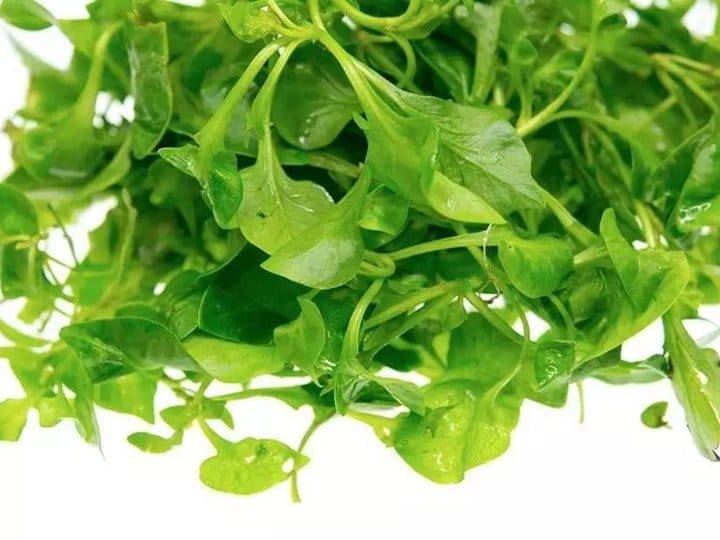
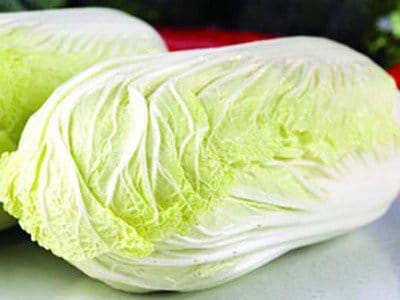
Different vegetables require different washing machines. Leafy vegetables are usually washed with vortex leaf washers. Root vegetables, like potatoes, often use brush rollers, which can also peel them. Tomatoes, chili, and similar vegetables are usually use bubble washers. For blanching or sterilization, machines with ozone functions or vegetable blanchers can be used.

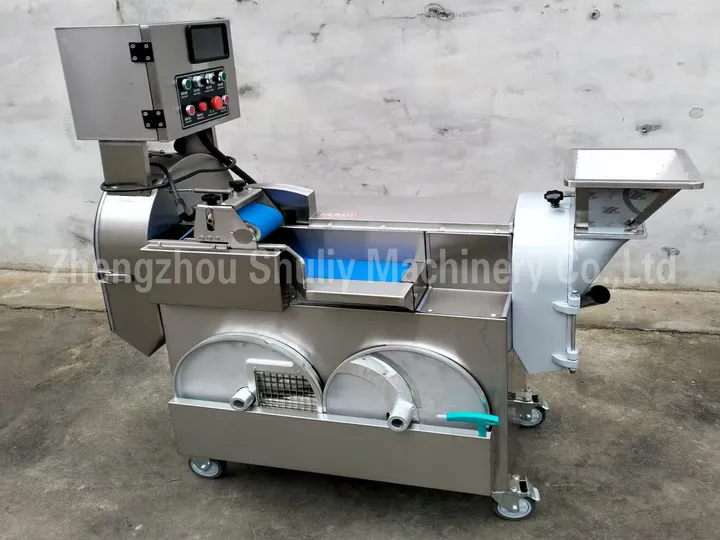
Peeling and Cutting
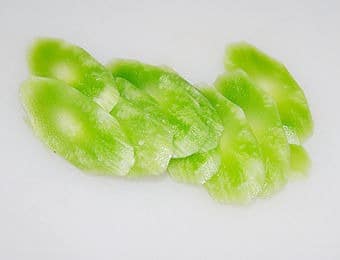
Vegetables with skin can be peeled with a peeling machine. Leafy vegetables are usually cut with a vegetable cutter.
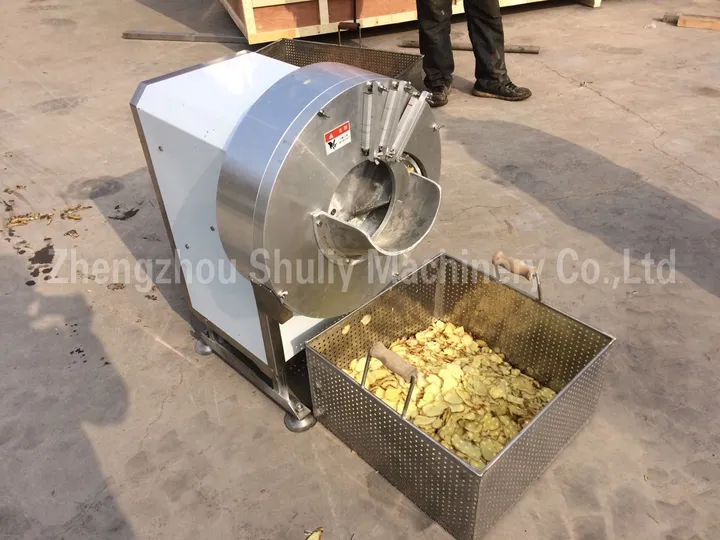
Slicing or Shredding
Vegetables that need slicing or shredding can be processed with slicers or shredders. Some machines combine peeling and shredding in one step.
Main Drying Options
The dryer is the core of the vegetable drying production line. Shuliy offers three proven machine types. Each has a different production style and price point.
Option 1: Mesh Belt Dryer for Continuous Large-Scale Production
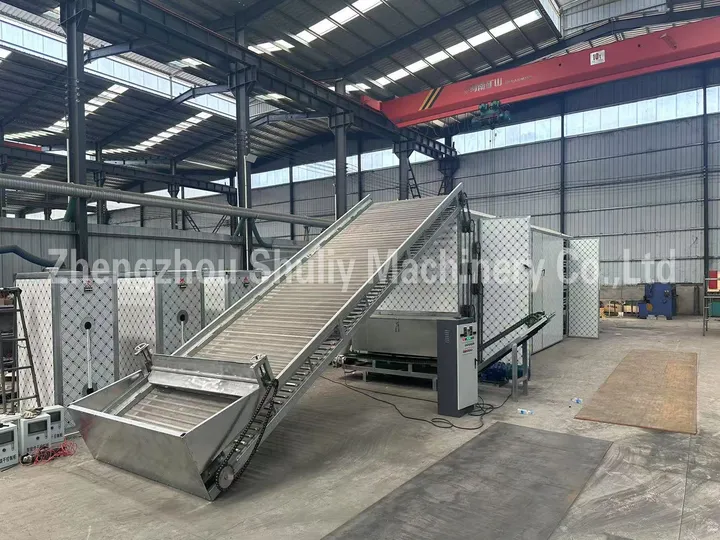
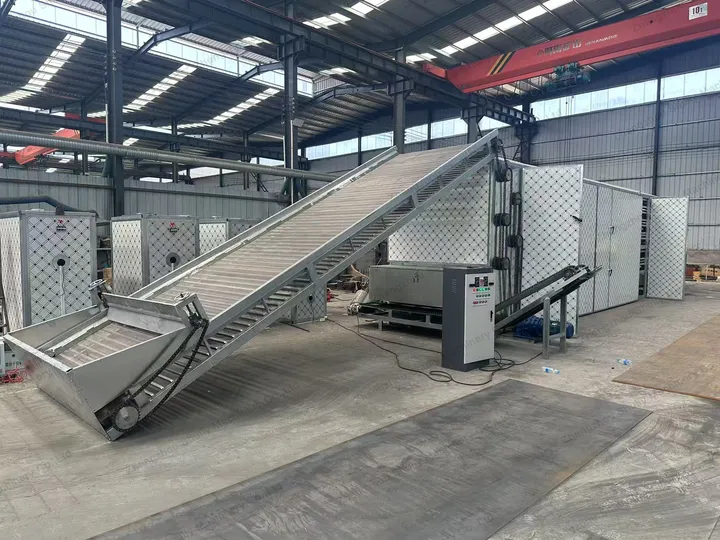
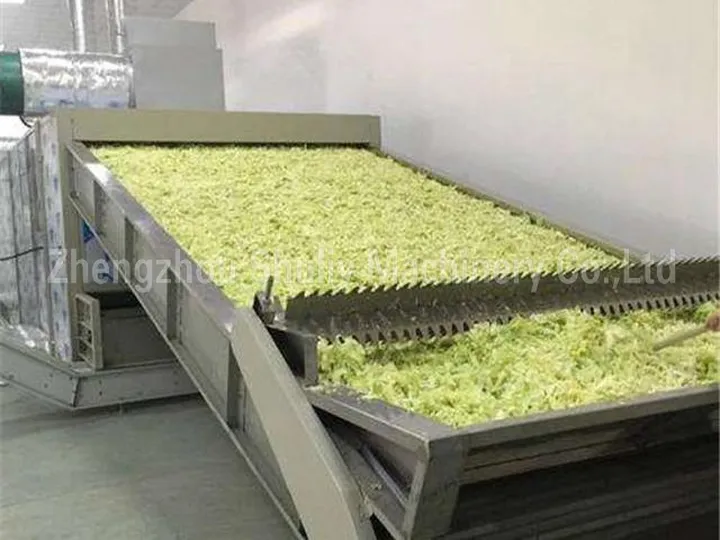
The mesh belt dryer is the best choice for processors who need high capacity and continuous operation. Vegetables are spread automatically on a stainless steel mesh belt and move through multiple temperature zones. Hot air passes through the layer from above and below.
Key Features:
- Continuous feeding and discharge, 24-hour operation
- Multi-layer belt design saves floor space
- PLC control of temperature, humidity, and belt speed
- Heat sources: heat pump, electric, gas, coal, biomass, steam
- Stainless steel food-contact parts
Typical Specifications:
| Model | Belt Width | Drying Length | Layers | Capacity (kg/h) | Total Power (kW) |
|---|---|---|---|---|---|
| SL-1.2-8 | 1.2 m | 8 m | 4 | 60–160 | 11.4 |
| SL-1.6-10 | 1.6 m | 10 m | 5 | 95–250 | 13.6 |
| SL-2-10 | 2 m | 10 m | 5 | 120–300 | 15.8 |
| SL-2-20 | 2 m | 20 m | 10 | 240–600 | 36.8 |
Larger custom models handle several tons per hour. This machine is ideal for chili, carrot, onion, garlic, potato, cabbage, and leafy vegetable drying.
Option 2: Heat Pump Drying Room for Batch Processing
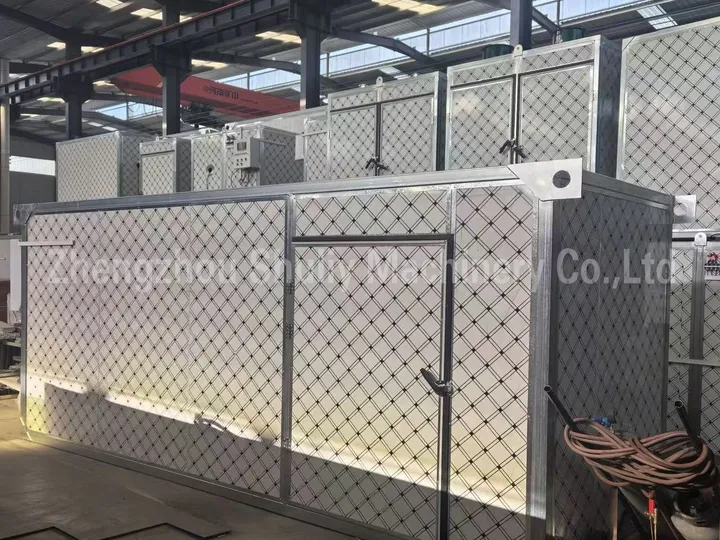
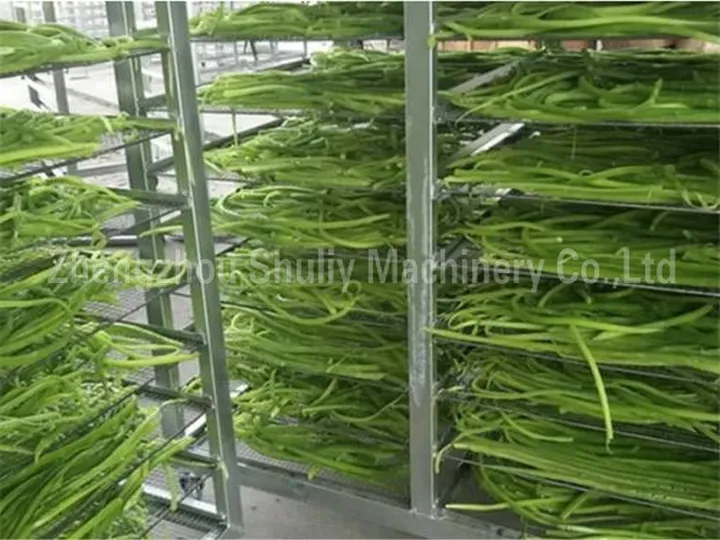
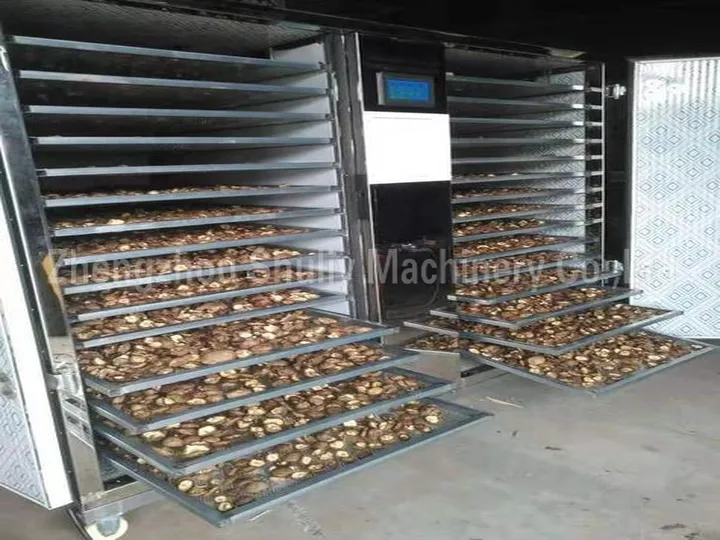
The heat pump drying room is a sealed box-type dryer loaded with trolleys and trays. It is best for processors who want lower investment, simple operation, and premium product quality.
Key Features:
- Batch capacity from 300 kg to 8,000 kg per load
- Air-source heat pump saves 30–50% energy vs electric heating
- Precise temperature and humidity control
- Food-grade stainless steel chamber and trays
- Suitable for delicate vegetables, herbs, and high-value products
Typical Specifications:
| Model | Dimensions (mm) | Drying Crews | Capacity per Batch (kg) | Heat Source |
|---|---|---|---|---|
| SL-2 | 4000 × 1860 × 2500 | 2 | 300–600 | Heat pump / Electric / Coal / Hybrid |
| SL-6 | 7200 × 2300 × 2500 | 6 | 800–1500 | Heat pump / Electric / Coal / Hybrid |
| SL-10 | 10000 × 2300 × 2500 | 10 | 1200–2500 | Heat pump / Electric / Coal / Hybrid |
| SL-18 | 8500 × 5000 × 2500 | 18 | 4000–6500 | Heat pump / Electric / Coal / Hybrid |
| SL-24 | 12000 × 5000 × 2500 | 24 | 5000–8000 | Heat pump / Electric / Coal / Hybrid |
This option suits small to medium factories, organic producers, and businesses that process multiple products in smaller batches.
Option 3: Stainless Steel Tray Dryer for Small to Medium Output
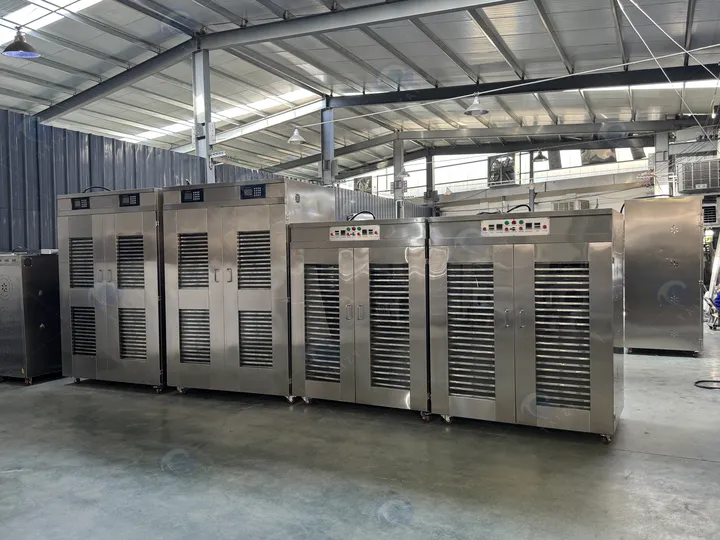
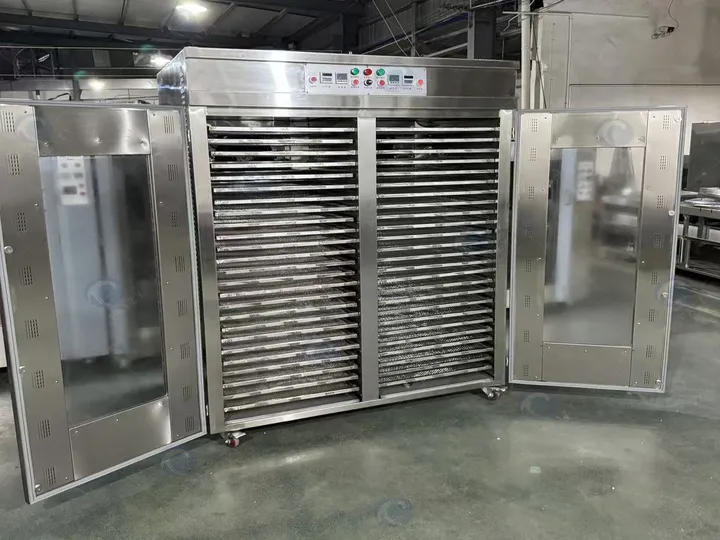
The stainless steel drying machine is a compact cabinet-style batch dryer. Trays slide into a vertical chamber, and hot air circulates through each layer.
Key Features:
- Small footprint, easy to move and install
- All stainless steel construction for hygiene
- Electric or steam heating
- Best for R&D, small workshops, and sample production
Typical Specifications:
| Model | Trays | Capacity per Batch (kg) | Power (kW) | Heating |
|---|---|---|---|---|
| SL-24 | 24 | 30–60 | 6–12 | Electric / Steam |
| SL-48 | 48 | 60–120 | 12–24 | Electric / Steam |
| SL-96 | 96 | 120–240 | 18–36 | Electric / Steam |
This machine is often used as a test unit before scaling up to a mesh belt dryer or drying room.
Packaging
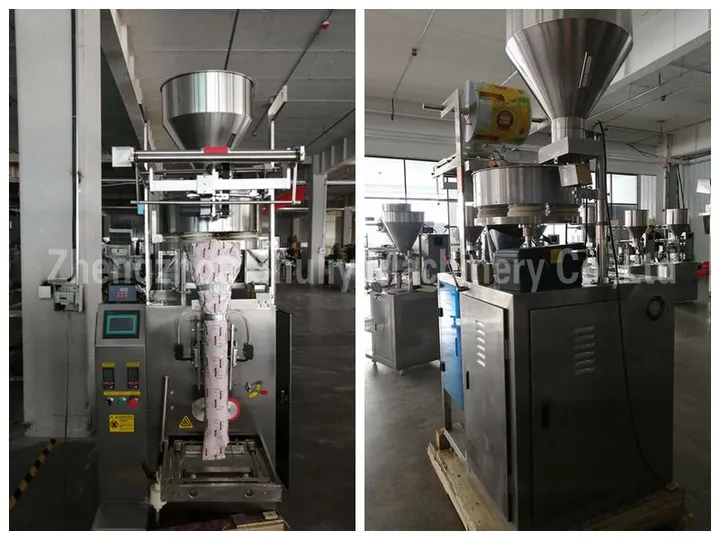
Dried vegetables need to be packed using automatic or semi-automatic weighing vegetable packaging machines. Ensure proper sealing for storage and transport.
This is a general process. Different vegetables may require different steps. For example, chili may need a stem-removal machine. When consulting, always specify the type of vegetables you plan to process.
How to Choose the Right Dryer for Your Vegetable Drying Production Line?
| Factor | Mesh Belt Dryer | Heat Pump Drying Room | Stainless Steel Tray Dryer |
|---|---|---|---|
| Production mode | Continuous | Batch | Batch |
| Capacity range | 400–14,000 kg/h | 300–8,000 kg/batch | 30–240 kg/batch |
| Labor requirement | Low | Medium | Medium |
| Initial investment | Higher | Medium | Lower |
| Product quality | Good | Excellent | Very good |
| Best for | Large factories, 24h operation | Medium processors, premium products | Small workshops, trials |
For most commercial vegetable processors, the mesh belt dryer offers the best balance of capacity and automation. The heat pump drying room is recommended for energy savings and premium quality. The stainless steel tray dryer works well as a starter machine.
Common Applications
A Shuliy vegetable drying production line processes:
- Root vegetables: carrot, potato, sweet potato, onion, garlic, ginger
- Leafy vegetables: spinach, cabbage, celery, leek
- Peppers and chili: fresh chili, bell pepper, paprika
- Mushrooms: shiitake, button mushroom, wood ear
- Fruits and herbs: apple, banana, mint, medicinal herbs
One line can handle multiple products by adjusting cutting size, blanching time, and drying temperature.
Advantages of the Vegetable Drying Production Line
- High Efficiency & Energy Saving: Automated continuous processing increases output and reduces labor costs.
- Uniform Drying: Uses constant-temperature hot air or multi-stage drying to prevent uneven drying or burning.
- Nutrient Retention: Low-temperature or staged drying preserves vitamins, minerals, and natural color.
- Wide Application: Suitable for carrots, tomatoes, chili, mushrooms, onions, and many other vegetables and fruits.
- Easy Storage & Transport: Dried vegetables have reduced volume and weight, lowering logistics costs and extending shelf life.


Considerations When Choosing a Vegetable Drying Production Line
- Processing Capacity: The amount of vegetables to process per day or per hour.
- Vegetable Type & Size: Type of vegetable, whole or sliced, and moisture content.
- Drying Requirements: Target moisture content, nutrient and color retention, and drying uniformity.
- Factory Conditions: Floor space, ceiling height, power supply, voltage, and heat source.
- Automation & Budget: Fully automatic or semi-automatic, within budget range.
- Packaging Needs: Whether packaging is required and the specifications for packaging.
Partnering with Shuliy
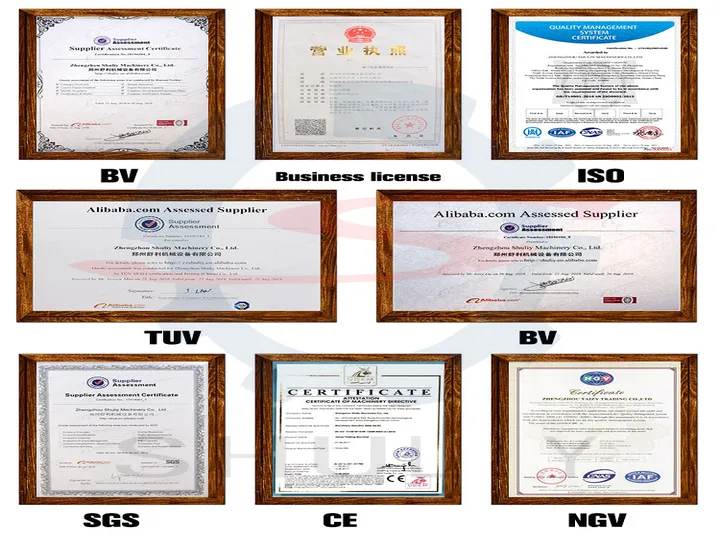
Shuliy has over 20 years of experience in manufacturing, R&D, and exporting. Our dedicated subsidiary focuses on food machinery and can provide a complete set of vegetable processing equipment and solutions to meet different production needs. We offer long-term spare parts supply and technical support to ensure stable operation. Installation, commissioning, and operator training are provided, along with a one-year warranty to protect your investment.
Frequently Asked Questions
What is the voltage and frequency for the machines?
We customize electrical systems for 220V, 380V, 415V, and 50Hz or 60Hz as required.
How long does it take to install a full production line?
Small lines install in 3–5 days. Larger lines take 7–15 days depending on site conditions.
Do you provide layout drawings before purchase?
Yes. We design a custom layout based on your factory dimensions and production target.
What is the typical delivery time?
Standard machines ship in 15–25 days. Custom lines take 30–45 days.
Can I process different vegetables on the same line?
Yes. The line is adjustable for different raw materials by changing blades, blanching time, and drying temperature.
Do you offer commissioning and operator training?
Yes. We provide on-site or remote commissioning, operation manuals, and video training.
What spare parts should I keep in stock?
We recommend belts, bearings, heating elements, sensors, and fan motors as common spares.
Get a Custom Vegetable Drying Line Quote
Whether you need a small workshop line or a full industrial vegetable drying production line, Shuliy can design the right system for your product, capacity, and budget.
Contact us today for a free layout drawing and equipment quotation.