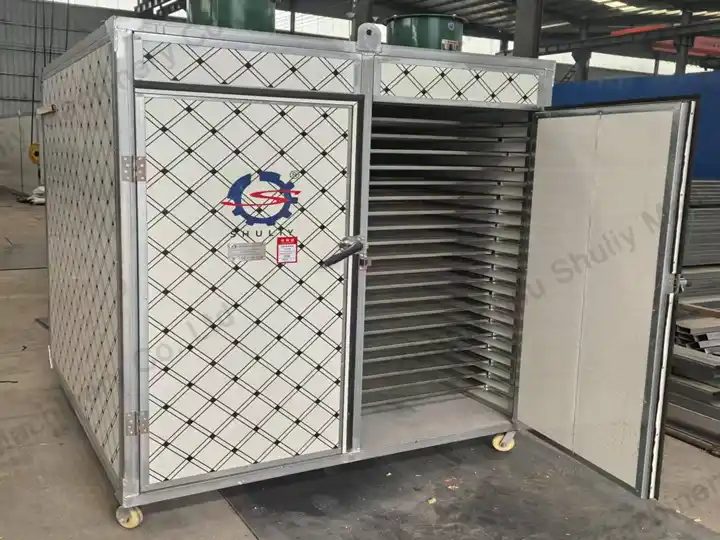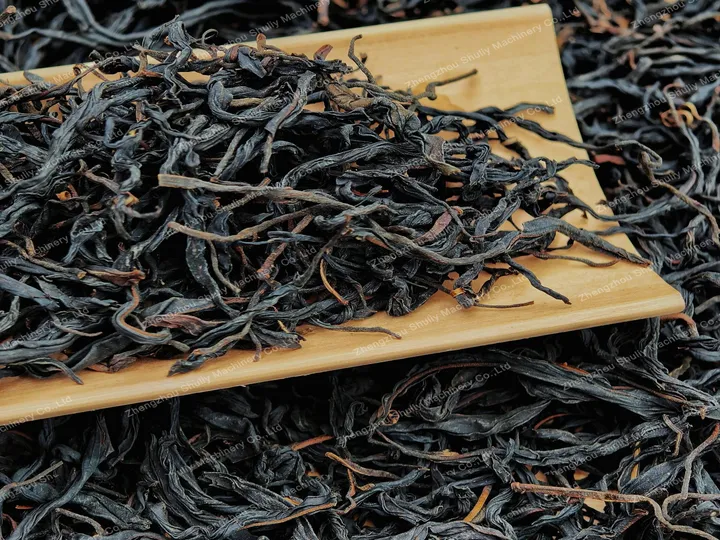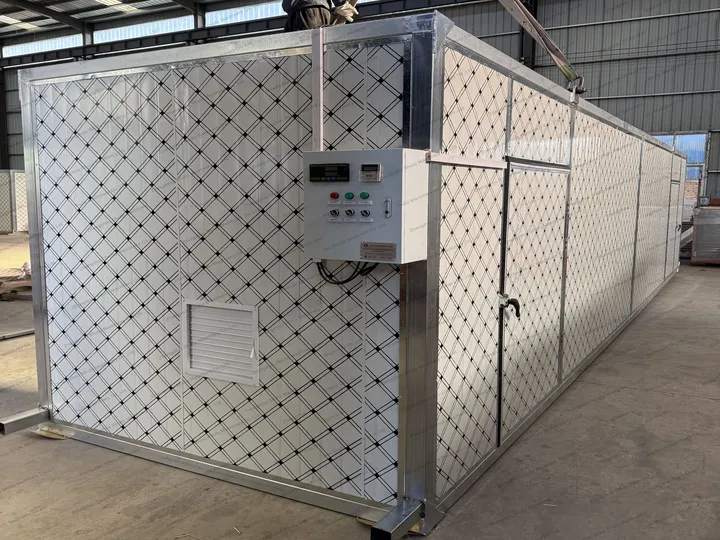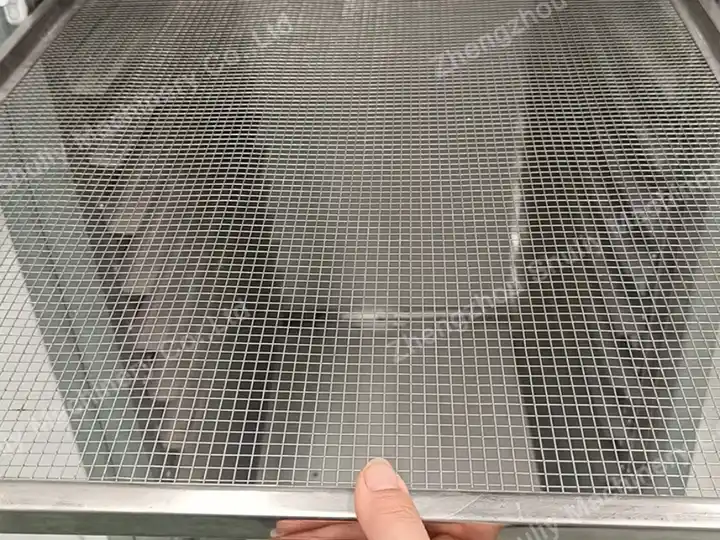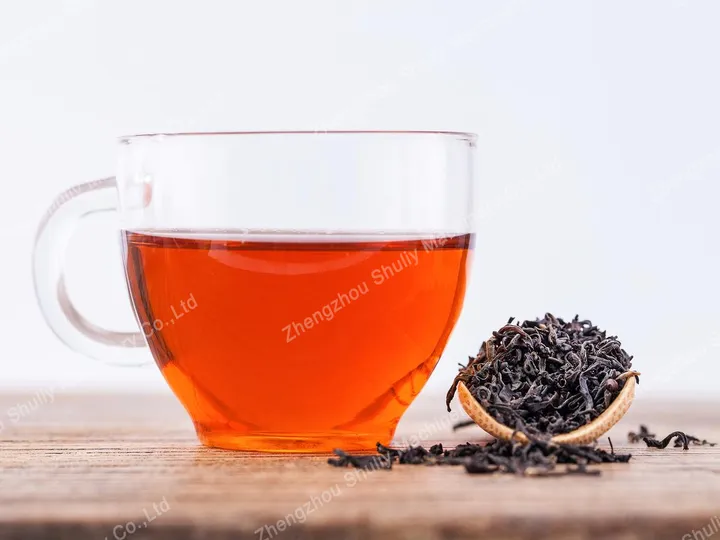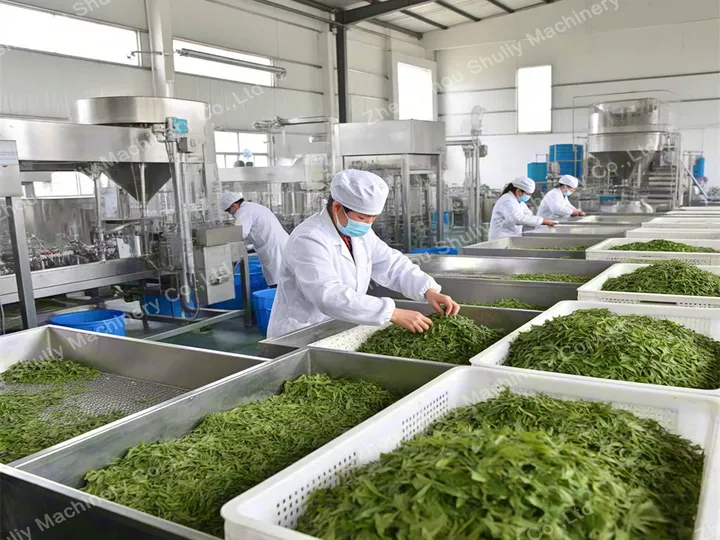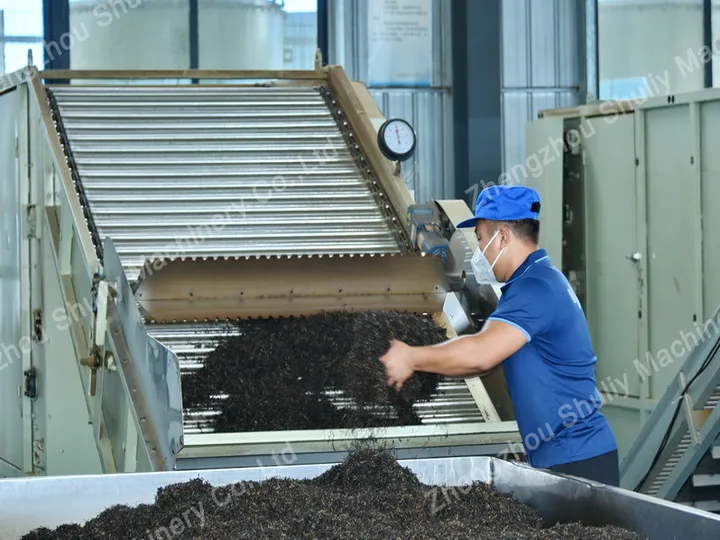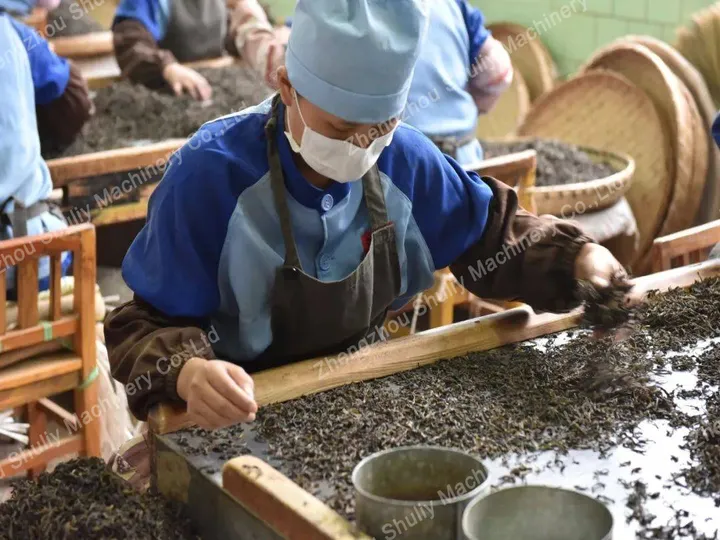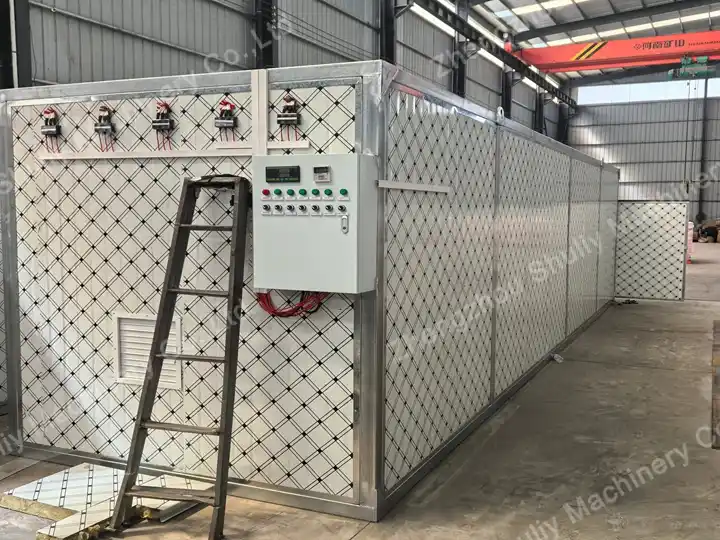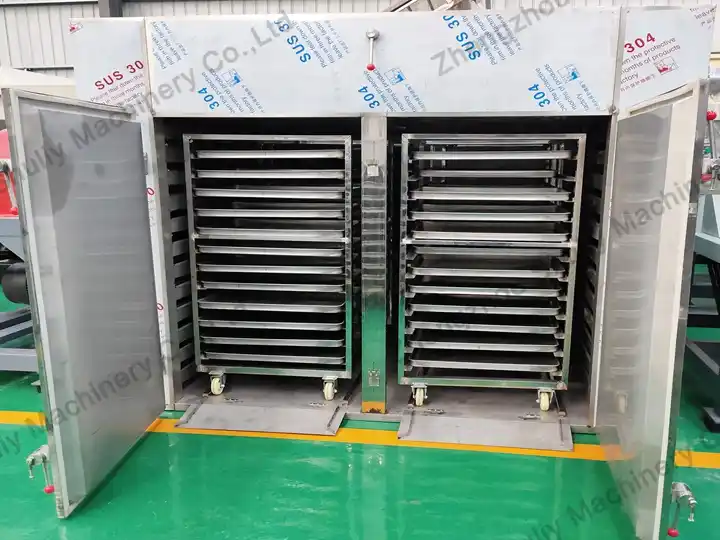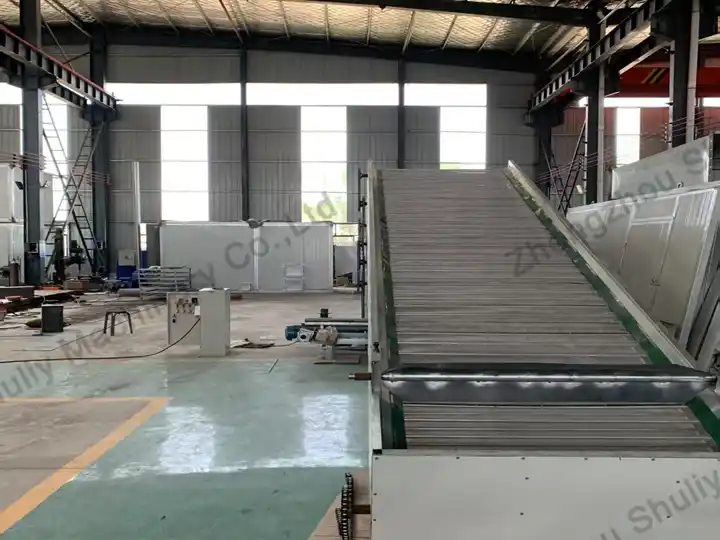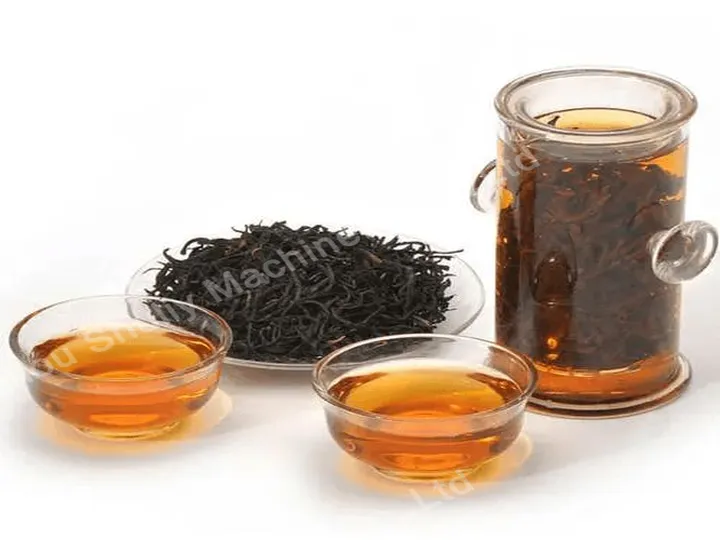
The black tea drying machine is mainly used for drying fully fermented black tea. In the entire black tea processing, the drying step is key to determining the final product’s quality and storage stability. A stable-performance black tea dryer can effectively ensure consistent tea quality and commercial value, making it more suitable for export.

Why Black Tea Must Be Dried?
After full fermentation, black tea leaves still contain high moisture and active enzymes. Without timely and even drying, the following problems can occur:
- Fermentation continues, causing overripe flavor
- Dull leaf color and loss of aroma
- High moisture content, making the tea prone to mold during storage

What Is a Black Tea Drying Machine?
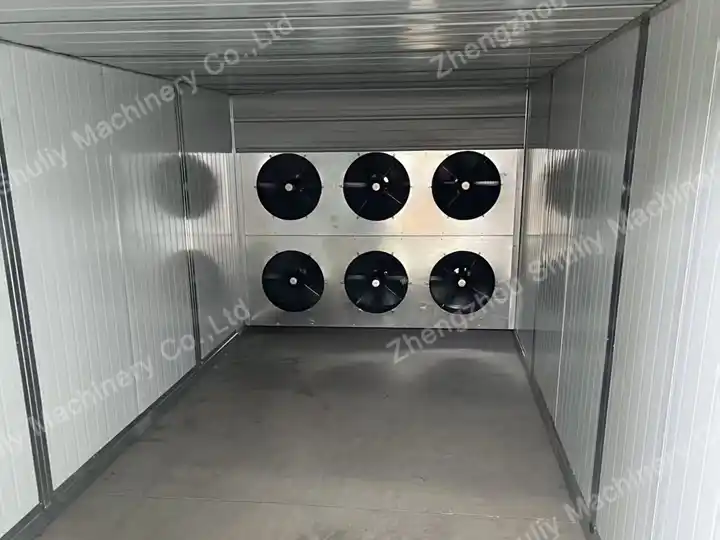
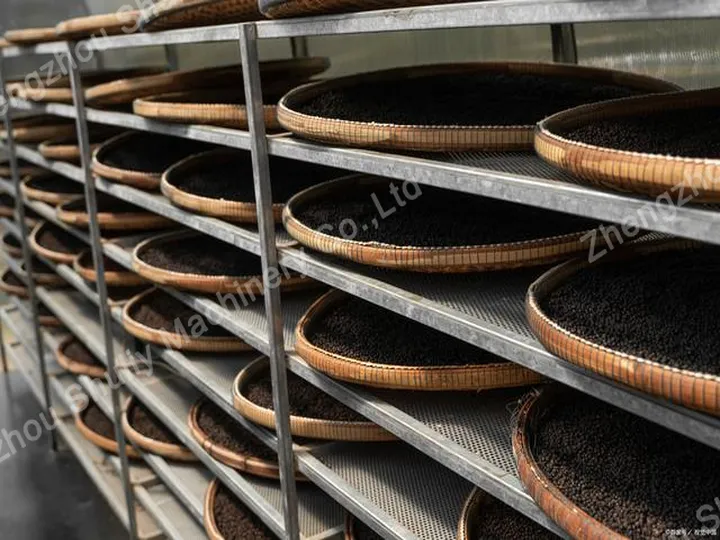
A black tea drying machine is a hot-air circulation device specifically designed for drying fermented black tea. Tea leaves are evenly spread on trays and dehydrated in stages with controllable hot air, achieving stable and efficient drying.
Compared with traditional sun-drying or manual roasting methods, the black tea dryer offers clear advantages:
- Controllable temperature, less affected by the environment
- Batch processing for higher production efficiency
- Stable quality, suitable for standardized production
- Reduces labor costs and reliance on experience


Working Principle of the Black Tea Dryer
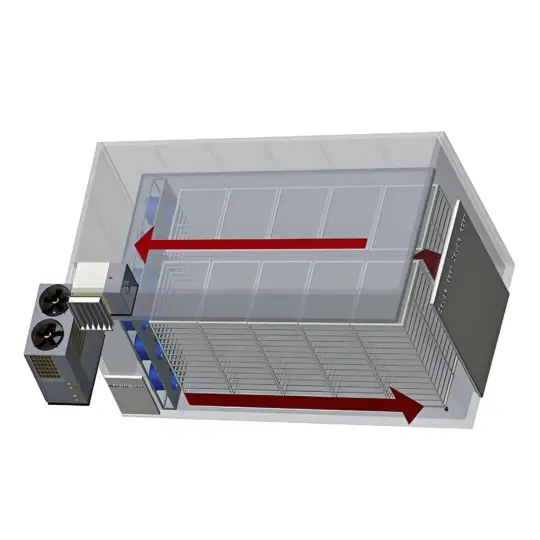
The black tea dryer uses a hot-air circulation system, allowing heated air to flow evenly throughout the drying chamber. This continuous airflow removes moisture from the tea leaves, achieving controlled drying.

Black Tea Drying Steps
1. Feeding and Spreading
Fully fermented black tea leaves are evenly spread on drying trays or conveyor belts to ensure uniform heating.
2. Hot-Air Heating and Circulation
The heating system (electric, gas, or biomass) heats the air, and fans circulate the hot air throughout the drying chamber to avoid local overheating.
3. Staged Temperature-Controlled Drying
- Initial Drying (80–90°C): Quickly removes surface moisture and prevents leaf sticking.
- Main Drying (90–105°C): Even dehydration, fixing aroma and flavor structure.
- Final Drying (70–85°C): Stabilizes moisture content without damaging aroma.
4. Moisture Exhaust and Air Exchange
Moist, hot air is expelled through the exhaust system while fresh air enters, maintaining a stable drying environment. The final moisture content is generally controlled at ≤5%.
5. Discharge and Cooling
After drying, tea leaves are discharged and cooled naturally or with assistance to prevent reabsorption of moisture.

Main Advantages of Using a Black Tea Drying Machine
Uniform Drying
Tea leaves are heated evenly, ensuring consistent color and flavor.
High Efficiency and Controllable Capacity
Suitable for small tea factories to large-scale production.
Multiple Heat Source Options
Can use electric, gas, or biomass heating, adapting to local energy conditions.
Easy Operation and Maintenance
Suitable for continuous production and long-term use.

Applicable Scenarios for Black Tea Dryers
Black tea dryers are widely used for:
- Processing whole-leaf black tea and broken black tea (CTC)
- Black tea production in small to medium tea factories
- Export-oriented black tea processing enterprises
- Standardized and large-scale black tea production lines


How to Choose the Right Black Tea Drying Machine?
When selecting a black tea drying machine, it is recommended to focus on:
- Required batch or hourly processing capacity
- Available heat source types
- Workshop space and layout
- Local temperature and humidity conditions
Choosing the right model can not only improve drying efficiency but also effectively reduce energy consumption and operating costs.


How to Make Black Tea?
Plucking
- Select tender tea leaves with one bud and one or two leaves to ensure raw material quality.
Withering
- Use natural spreading or temperature- and humidity-controlled withering rooms to reduce moisture and soften leaves, preparing them for rolling and fermentation.
Rolling
- Break the leaf cells to release juice, forming strips or broken leaves, which promotes polyphenol oxidation.
Fermentation
- Fully ferment the leaves under suitable temperature and humidity, turning them from green to red and developing the unique aroma and flavor of black tea.
Drying
- Use drying chambers or hot-air dryers to stop fermentation, reduce moisture content to ≤5%, and fix aroma and flavor.
Grading
- Sort the tea based on leaf strips, broken leaves, and appearance to ensure uniformity and stable quality.
Packaging
- Seal the dried and graded tea to prevent moisture and odor, making it suitable for storage and transport.
Shuliy offers a range of black tea dryers in stainless steel and standard materials, all customizable. For more information, feel free to contact us.