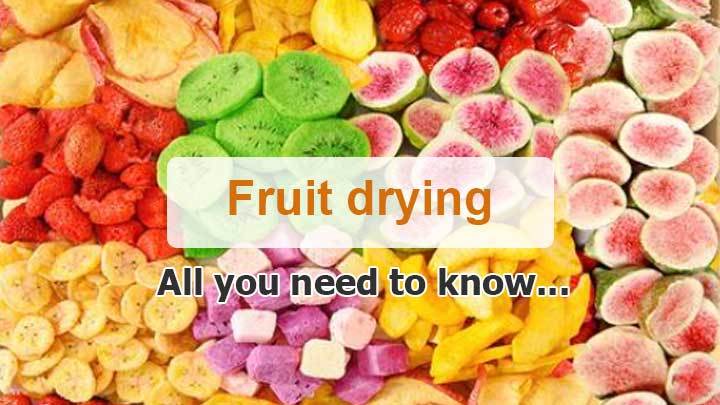
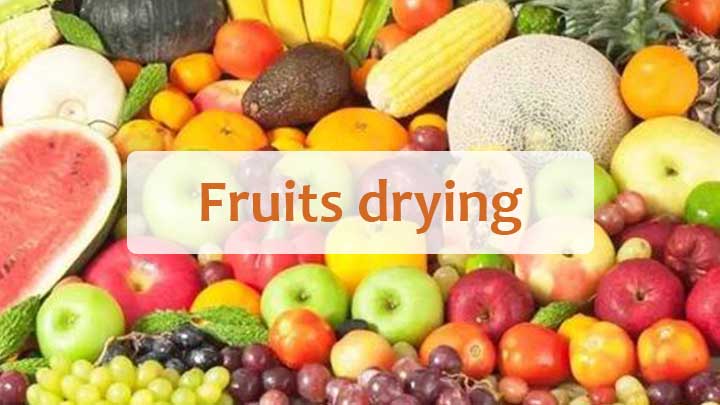
私たちはスーパーや果物店でさまざまな種類の干し果をよく見かけます。干し果は新鮮な果物の味と栄養を保つことができ、保管と持ち運びがより便利です。では、どうやって干し果を作るのでしょうか。次に、いくつかの果物の乾燥方法を紹介します。
工場用と家庭用の異なる乾燥機
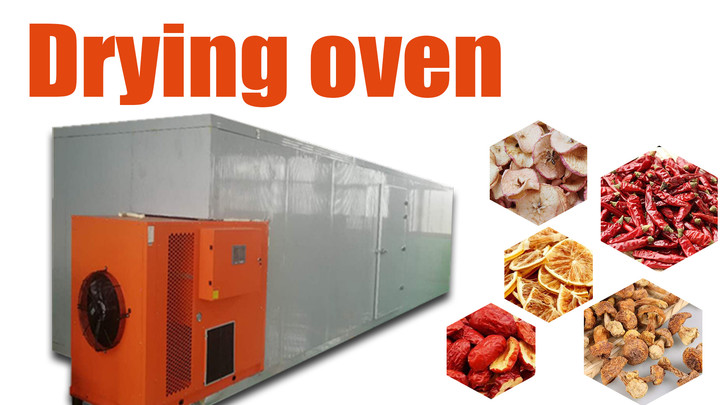
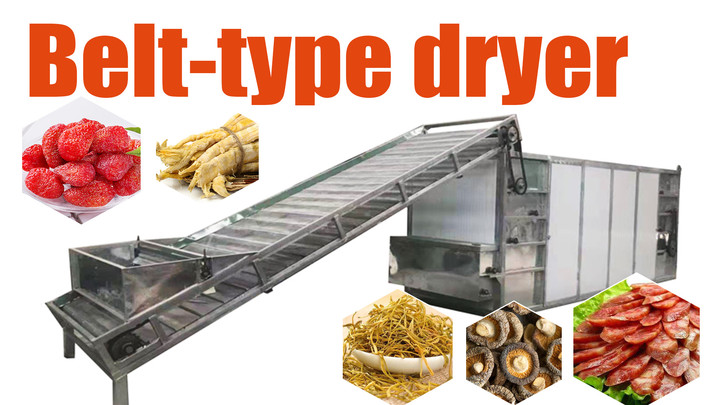
大型果物加工工場や果物スーパーマーケット向けには、果物乾燥室または連続搬送機乾燥機の使用をお勧めします。両方とも熱風循環乾燥を使用します。果物乾燥室の出力はニーズに合わせてカスタマイズできます。連続搬送乾燥機は連続的な給送と排出を実現でき、大量生産のニーズに対応します。
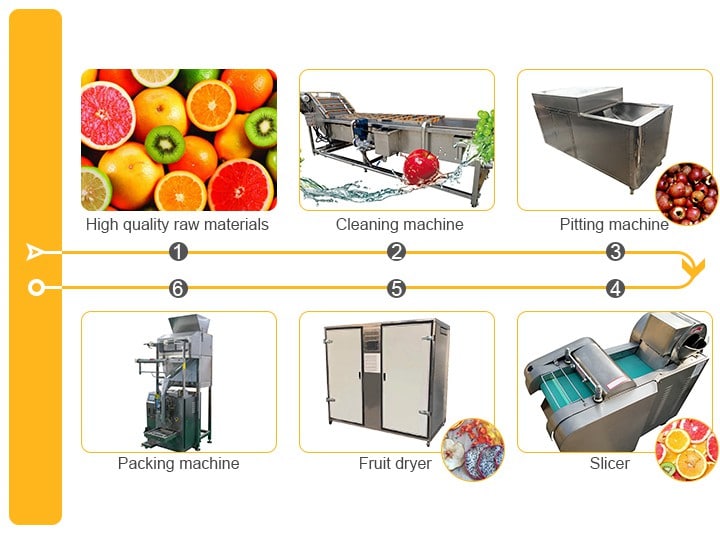
多くの果物には乾燥前に多少の処理が必要です。大量の自動・連続生産を実現したい場合は、対応する機械を用意できます。リンゴの乾燥を例にとると、果物洗浄機、果物芯取り機、果物スライサー、果物乾燥機、干果包装機などを取り揃えています。果物加工のワンストップ・ソリューション・プロバイダーとして、ぜひご連絡ください。
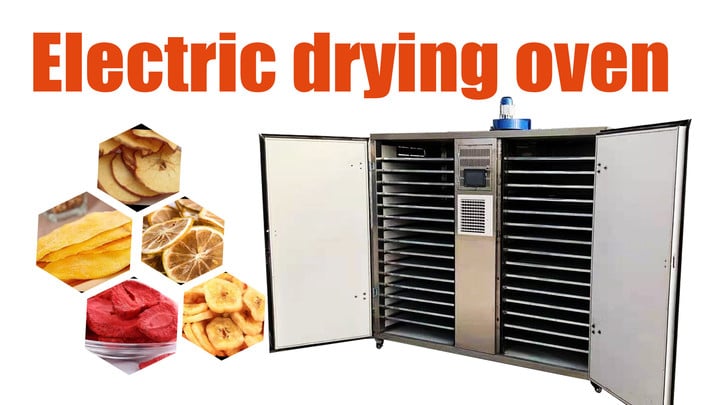
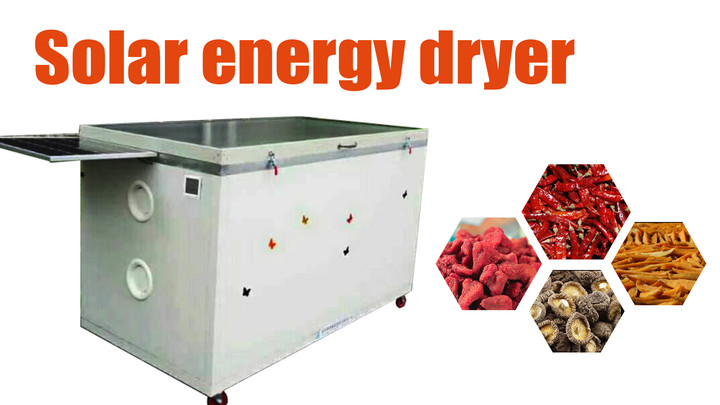
家庭や小さな果物店向けには、一般的に小型の電気乾燥オーブンを用いて果物を乾燥させます。小型の果物乾燥箱は占有面積が小さく、家庭や店舗で簡単に置くことができます。さらに、電力を使って乾燥するのがユーザーにとってより便利で、熱源には私たちの空気源ヒートポンプを搭載でき、わずかな電力で一箱分の果物を乾燥させることができます。電力供給が不足している地域には、対応するソーラー乾燥機も用意しています。市場で一般的な果物はすべてこの果物乾燥オーブンで乾燥できます。乾燥効果はもちろん非常に良いです。外出時の乾燥食品の備蓄として、または自由時間の軽いおやつとして、干し果物を活用できます。
果物の乾燥に関する注意事項
Material characteristics: For different materials, choosing a suitable drying method is very important.
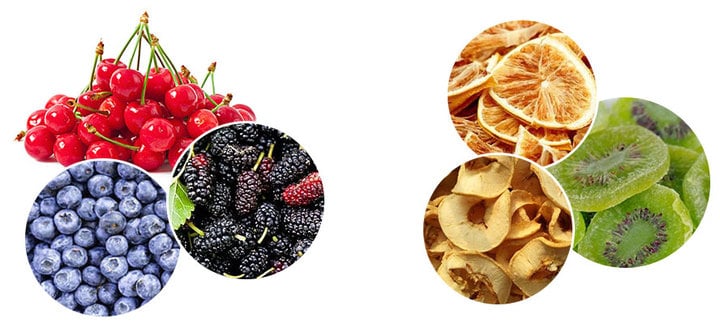
例えば、ブルーベリー、チェリー、その他の小さなベリーの乾燥には、表面のワックス状物質を除去し、脱湿と加熱を組み合わせ、材料を再水分化させて二次乾燥を行うなど、特別な乾燥プロセスが必要です。
リンゴ、レモン、キウイなど繊維が比較的強い果物は、洗浄後そのまま乾燥させることができます。ただし、このような材料は蓄積しやすいので、置くときに注意し、熱交換面積と換気を適切に増やして乾燥速度を上げる必要があります。
Temperature and humidity: There are also suitable drying temperatures and humidity for different fruits. For some materials with high moisture content, the combination of high-temperature drying and natural drying with low-temperature drying is adopted. Appropriately increasing the temperature difference can increase the drying rate. Most materials need to reasonably control the drying curve and dehumidification curve in different drying stages to ensure the quality of the finished product.
ウェブサイトのソリューションページには、果物乾燥の一般的なプロセスをいくつか掲載しており、設定すべき温度と湿度、乾燥時間、乾燥方法などの情報が含まれています。乾燥が必要な材料があれば、専門の乾燥専門家に連絡して最適な温度と湿度の設定を入手してください。

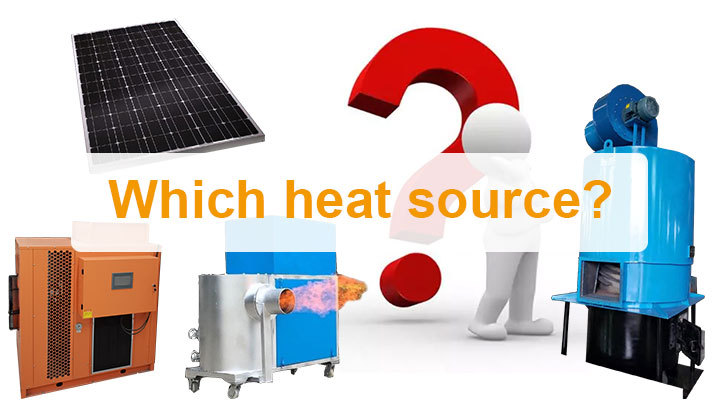
The choice of heat source: On the one hand, the heat source is closely related to the cost of the customer, on the other hand, it will also affect the drying effect of the material to a certain extent. For families and small fruit shops, air energy heat pumps are the most suitable way. For large-scale fruit processing plants, coal, oil, gas and other methods can also be used. These methods can generate greater heating value, meet the demand for high production, and have greater economic benefits. Regarding how to choose a heat source, you can refer to our article for reference.