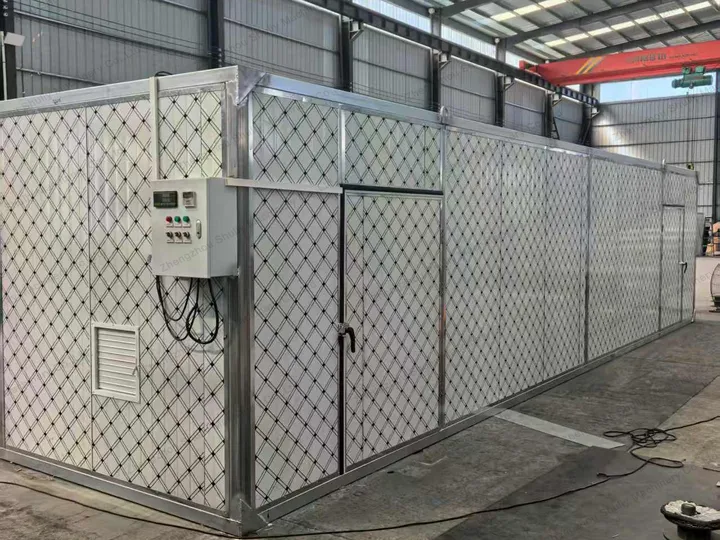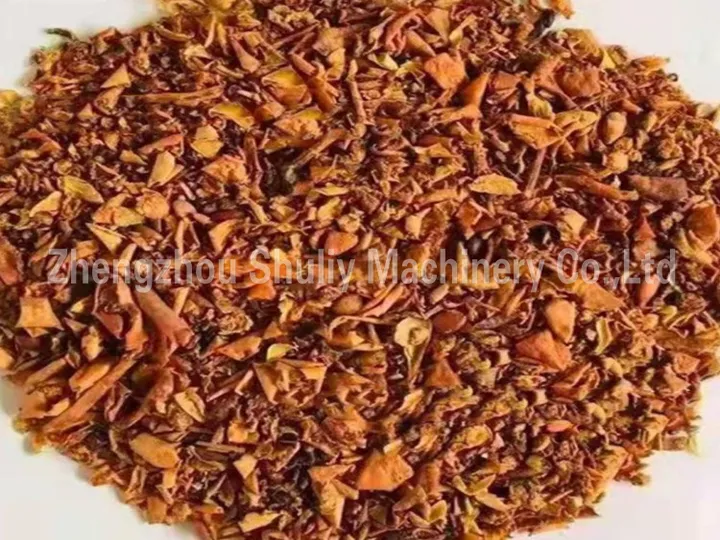
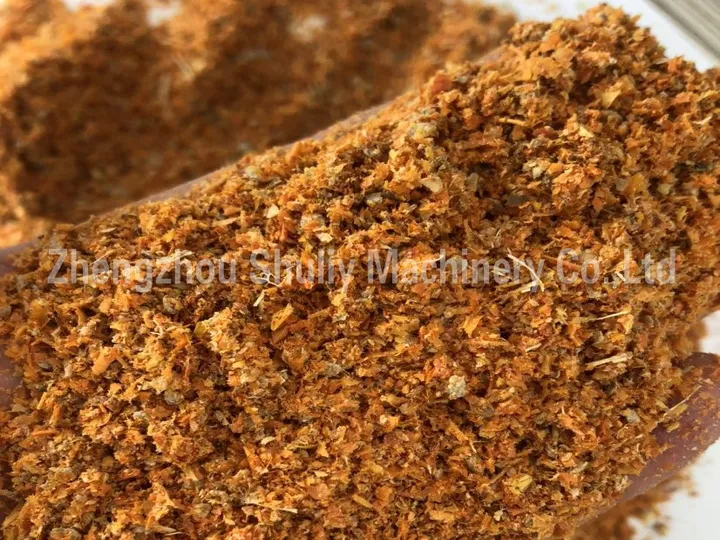
Continuous Mesh Belt Dryer for high-moisture, high-sugar materials is the most effective solution for overcoming common drying challenges in industrial processing. Materials such as tomato pomace, apple waste, and olive pomace contain high sugar levels that often lead to sticking, uneven drying, and caramelization during dehydration. This guide explains how to efficiently reduce moisture content from 30% to 6% using a continuous mesh belt drying system.
Why High-Sugar Materials Are Difficult to Dry?
High-sugar materials behave differently from conventional drying substrates. When moisture evaporates, the sugar concentration increases, creating several technical problems:
- Surface Hardening: As the outer layer dries, sugars can form a hard crust that traps moisture inside, preventing complete dehydration.
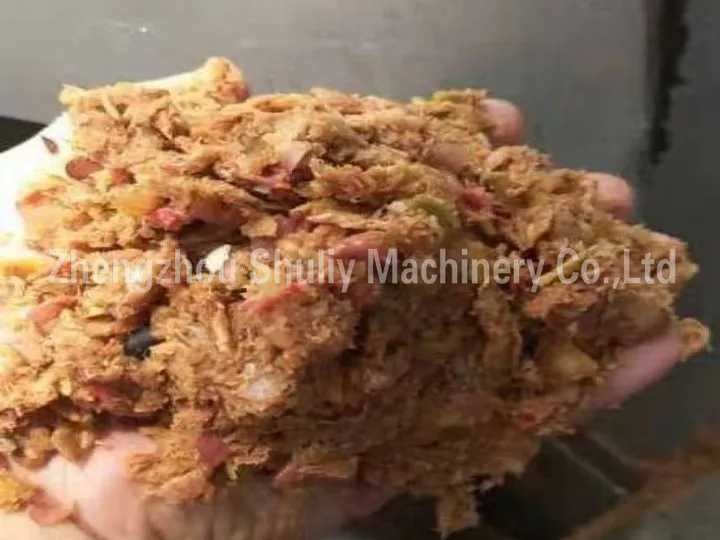
- Sticking and Clumping: High sugar content makes materials sticky, causing them to adhere to conveyor surfaces and form clumps that dry unevenly.
- Caramelization Risk: Excessive heat can cause sugar caramelization, altering product quality and creating cleaning challenges.
- Extended Drying Time: The sugar matrix holds moisture tenaciously, requiring longer drying cycles than low-sugar materials.
These challenges are particularly evident when processing tomato pomace (residual seeds and skins), apple pomace (press cake from juice extraction), and olive pomace (residue from olive oil production). All three materials typically start with approximately 30% moisture content and need to be dried to 6% or lower for storage, animal feed, or further processing applications.
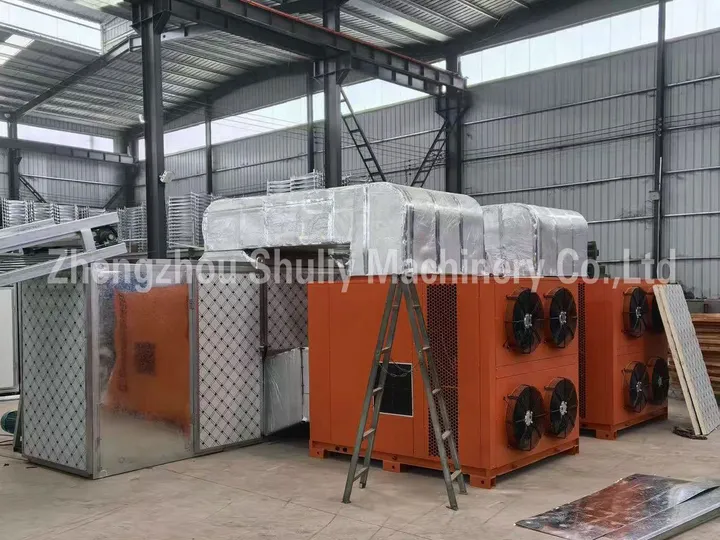
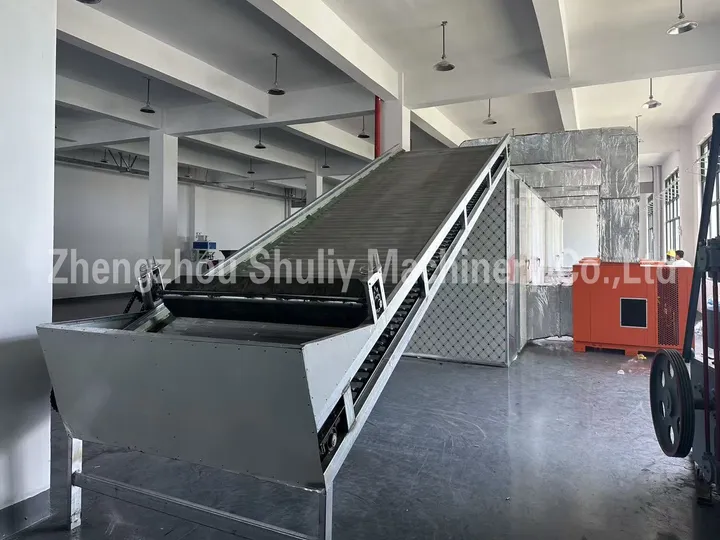
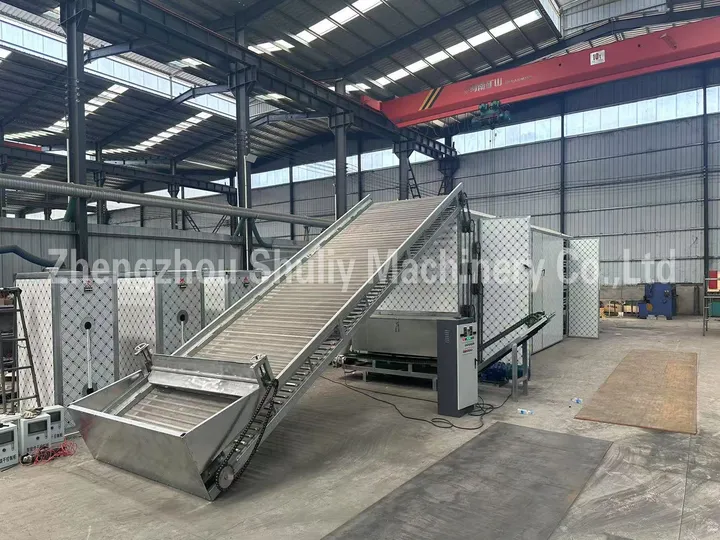
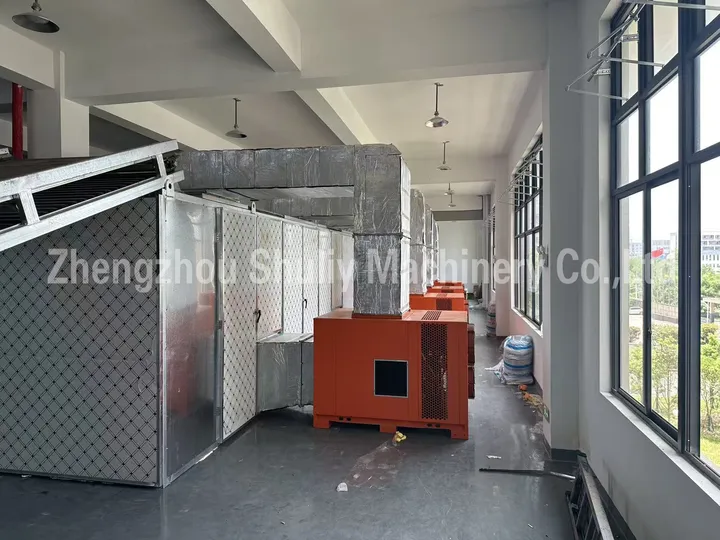
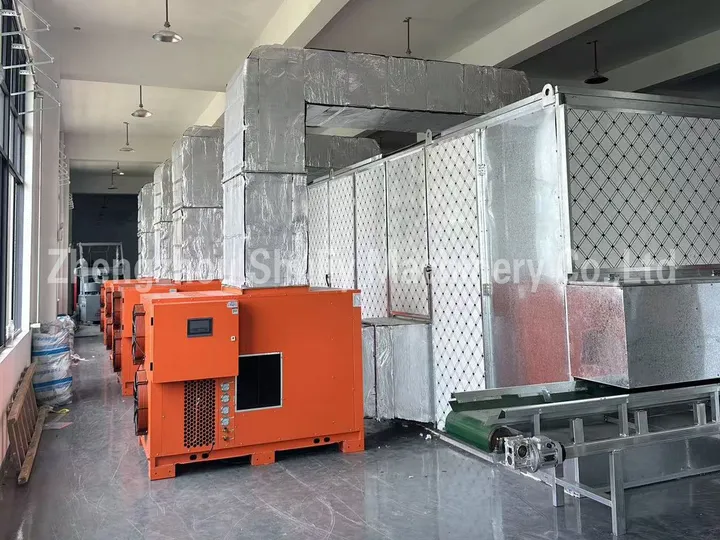
Equipment Specifications: 12-Meter Six-Layer Continuous Mesh Belt Dryer
For processing 500-800kg/h of high-sugar waste materials, a 12-meter six-layer continuous mesh belt dryer provides the optimal configuration. This design offers several advantages:
Structural Design
- Total Length: 12 meters drying zone
- Layer Configuration: Six mesh belt layers with material turnover between levels
- Mesh Specification: Stainless steel wire mesh with appropriate aperture size to prevent material fall-through while allowing air circulation
- Material Path: Materials move from top to bottom layers, with 180-degree turnover at each transfer point for uniform drying
Capacity Analysis
Based on the drying characteristics of high-sugar materials:
| Parameter | Value |
|---|---|
| Initial Moisture Content | 30% |
| Target Moisture Content | 6% |
| Water Removal Rate | ≈25.5% |
| Feeding Capacity | 500–800 kg/h |
| Final Product Output | 375–600 kg/h |
| Residence Time | 2–4 hours |
The 12-meter six-layer configuration achieves the required capacity by maximizing the drying surface area and residence time while maintaining continuous operation. The multi-layer design effectively triples the drying surface area compared to a single-layer system of the same footprint.
Drying Process Optimization for High-Sugar Materials
Successful drying of high-sugar materials requires careful control of temperature, airflow, and residence time throughout the process. We recommend a three-stage drying approach:
Stage 1: Preheating and Surface Drying (Layers 1-2)
- Temperature: 50-55°C
- Airflow: High volume, moderate velocity
- Objective: Remove surface moisture without causing case hardening
- Duration: 30-40% of total residence time
The initial stage uses relatively low temperatures to prevent rapid surface drying that would trap moisture inside. High airflow volume ensures efficient moisture removal without creating hot spots.
Stage 2: Main Drying (Layers 3-4)
- Temperature: 55-65°C
- Airflow: Moderate velocity, directed airflow for penetration
- Objective: Remove bulk moisture while maintaining material structure
- Duration: 40-50% of total residence time
The intermediate stage is critical for high-sugar materials. Temperature must be controlled carefully to avoid caramelization while providing sufficient energy for moisture evaporation. Directed airflow helps penetrate the material layer, reaching moisture trapped in the center.
Stage 3: Final Drying and Cooling (Layers 5-6)
- Temperature: 60-70°C (gradually reducing)
- Airflow: Low velocity
- Objective: Achieve final moisture content and surface stabilization
- Duration: 15-25% of total residence time
The final stage reduces the temperature slightly to allow the interior moisture to migrate outward without causing surface overheating. This stage ensures uniform moisture distribution throughout the product.
Solving Common Problems with High-Sugar Material Drying
Based on industry feedback and practical experience, here are solutions to the most frequently encountered challenges:
Problem: Internal Moisture Remains After Drying
Symptom: The exterior appears dry, but the interior remains soft and moist when pressed.
Cause: This occurs when the sugar concentration at the surface becomes too high too quickly, forming an impermeable crust that prevents moisture escape.
Solutions:
- Reduce the belt speed to increase residence time in lower temperature zones
- Lower the temperature in the first two layers to slow surface drying
- Increase airflow in the intermediate stages to improve moisture penetration
- Consider pre-drying or steam pretreatment to reduce initial moisture content
Problem: Material Sticking to Mesh Belt
Symptom: Material adheres to the conveyor surface, causing uneven distribution and cleaning difficulties.
Solutions:
- Apply non-stick coatings to the mesh surface
- Use a mesh with smaller aperture sizes to reduce the contact surface area
- Install scrapers at transfer points to prevent buildup
- Maintain mesh surface temperature slightly above material’s melting point to prevent adhesion
Problem: Caramelization and Burning
Symptom: Dark brown or black spots appear on the product, with a burnt or bitter taste.
Solutions:
- Monitor and control temperature more precisely using multiple sensor points
- Ensure even airflow distribution throughout the drying chamber
- Reduce the material layer thickness to prevent heat accumulation
- Consider two-stage drying with a cooling period between stages
Material-Specific Drying Parameters
Each type of high-sugar waste material has unique characteristics that affect drying requirements:
| Material | Initial Moisture | Target Moisture | Temperature Range | Time | Characteristics |
|---|---|---|---|---|---|
| Tomato Pomace | 25–35% | 6–8% | 55–65°C | 2–3h | High acidity, requires corrosion resistance |
| Apple Pomace | 28–32% | 5–7% | 55–65°C | 2–4h | Contains pectin, highly sticky |
| Olive Pomace | 30–35% | 6–8% | 50–60°C | 3–4h | Contains oil, requires low-temperature drying to prevent oxidation |
Quality Standards for Dried High-Sugar Products
For successful industrial applications, dried products must meet specific quality criteria:
- Moisture Content: Consistent 5-8% across the batch (below 6% for extended storage)
- Color Retention: Natural color without browning or darkening
- Texture: Free-flowing without clumping or sticking
- Nutritional Value: Minimal degradation of sugars, fibers, and other beneficial compounds
- Microbial Safety: Reduced water activity to prevent bacterial growth and mold
Conclusion: Achieving Optimal Results
Drying high-sugar waste materials from 30% to 6% moisture content is technically achievable with proper equipment configuration and process optimization. The 12-meter six-layer mesh belt dryer provides the necessary drying surface area and residence time to achieve the target capacity of 500-800kg/h.
Key success factors include:
- Careful temperature control throughout the drying zones
- Adequate airflow to remove moisture without causing surface damage
- Sufficient residence time to allow interior moisture migration
- Material-specific parameter adjustments for different high-sugar waste streams
- Regular equipment maintenance to ensure consistent performance
By implementing the three-stage drying approach and addressing the common problems outlined in this guide, processors can achieve reliable, high-quality dried products from tomato pomace, apple waste, and olive pomace.
Related Products
Explore our range of drying equipment designed for high-sugar material processing:
- Continuous Mesh Belt Dryer – Industrial-scale continuous drying solution
- Heat Pump Dryer – Energy-efficient drying for temperature-sensitive materials
- Industrial Drying Room – Batch processing for diverse material types