木材乾燥的目的在於降低木材含水量,含水量直接影響木製品是否會開裂與變形。木材乾燥的能源消耗約佔木材加工總能源消耗的40%。在乾燥過程中的熱量損失很大,能源成本也在增加。
如今,木材乾燥的節能與品質問題已引起木材行業的廣泛關注。經多年研發,我們的乾燥機能在保證產品品質的同時有效去除木材水分。作為先進的現代乾燥技術,它能節省能源與降低排放,顯著提升企業經濟效益。
木工最速乾木的方法是什麼?
新鮮木材含有大量水分,在一定環境中會繼續蒸發。如果水分自然蒸發,木材會收縮、開裂、彎曲、變形甚至發酵,導致木製品品質受損。因此,木材在製成木製品前必須在可控條件下乾燥。正確的乾燥過程可消除前述缺陷,並提升機械強度與加工性。以合理的乾燥方法增加木材價值,是木製品生產中的重要技術措施,也是第一步必要步驟。

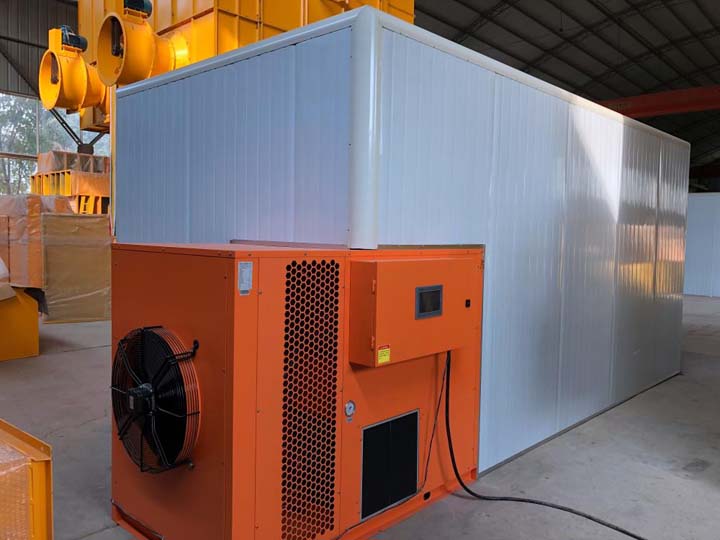
在木材乾燥過程中,除了乾燥方法外,還必需考慮節能、環保與降低成本。對於不同木材及木製品的不同用途,所需的木材含水量也不同。我們的木材乾燥機具備乾燥各種木材(如原木、玫瑰木、櫥櫃用木等)的能力,真正解決客戶在乾燥過程中遇到的問題。
影響木材乾燥的因素
- 木材溫濕度:在木材乾燥過程中,需要逐步改變木材乾燥環境的溫度與濕度。如果木材與環境之間的溫濕差過大,乾燥過程中木材可能受損。溫濕度測量儀可用於實時監測木材狀態,然後由智慧控制系統在櫃中調整加熱與除濕系統的工作狀態。
- 木材含水量:不同產品需要不同的含水量。我們採用電阻式含水量計,避免測量帶來的限制與偏差,並為木材含水量的準確表現提供技術保證。
- 乾燥方法:不同的乾燥方法也會對成品木材產生一定影響。例如,傳統天然乾燥會導致木材不可逆的收縮與彎曲。因此,根據不同木材和木材用途選擇不同的乾燥方法也是十分重要的。
木材乾燥過程
木材中的水分主要分為自由水與結合水。自由水的增減只影響木材重量;但結合水的變化不僅會使木材收縮與膨脹,還會影響物理與機械性質。木材中的含水量會直接影響木製品是否開裂與變形。乾燥過程中需去除的是所有自由水與大部分結合水。
木材乾燥的過程主要包括:預熱階段、乾燥階段、最終平衡處理、冷卻處理。
Low-temperature preheating: Preheating refers to slowly increasing the temperature of the wood to a certain temperature before drying, so that the temperature of the core layer and the surface layer of the wood tends to be consistent. It will provide conditions for the wood to enter the drying stage. The heating speed should not be too fast, it depends on the type, thickness and moisture content of the wood.
Drying stage: The drying stage is divided into uniform drying treatment and deceleration drying treatment. When the wood moisture is above the fiber saturation point, the temperature, humidity and wind speed are under certain conditions, the free water in the wood will move to the surface and evaporate from the surface of the wood. At this time, the evaporation of water is basically carried out at a uniform speed, which is a uniform drying stage. When the free water has evaporated, the bound water starts to move and evaporate. With the continuous decrease of bound water, more and more energy is needed to evaporate water, and the rate of decrease of moisture content will be slowed down. Therefore, when the wood moisture is below the fiber saturation point, it is the decelerating drying stage.
Final equilibrium treatment: When the wood reaches the final moisture content requirement, the wood needs to have a balanced treatment. It can further reduce the moisture content gradient of the wood along the thickness direction so that the stress generated during the drying process of the wood can be eliminated and reduced. The purpose of the balance treatment is to keep the temperature and humidity of the final environment consistent with the moisture content of the final product.
Cooling stage: When the final moisture content of the wood reaches the requirement and after the balance treatment, in order to avoid the damage of the wood caused by the rapid drop in temperature. The wood should finally go through a cooling process at an appropriate speed.
木材窯乾燥機小貼士
要以可控方式乾燥木材的木材乾燥設備,必須具備三個基本功能:加熱、濕度控制與通風。加熱是最基本功能。調整濕度以提供某些階段所需的高濕環境,防止木材開裂與變形。通風裝置必須確保濕熱空氣均勻地通過木堆,使乾燥木材中的水分分布均勻。
若溫度不高,例如低於54°C,當含水量低於15%時,水分無法有效從木材中排出。通常需要提高乾燥溫度至71°C以上。
乾燥櫃應具隔熱性及抗漏氣性。在隔熱方面,櫃體結構應具有較小的熱容量以減少熱損失,等於或小於熱的機械等價量;熱泵乾燥櫃中不安裝加濕裝置。如水蒸氣溢出,說明乾燥條件很難改變。因此,櫃體應具良好氣密性。
保持櫃內氣流穩定。若風速保持在1米/秒則最佳。
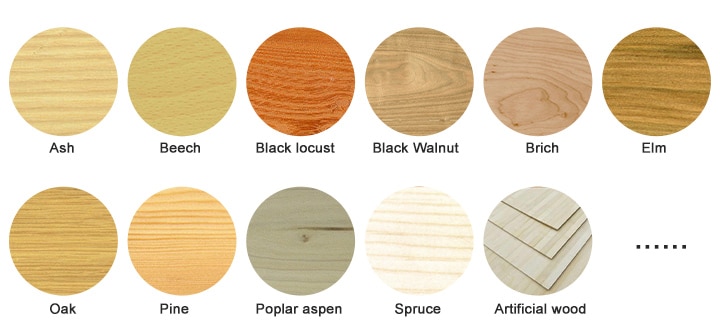
常見木材類型
我們的乾燥機不僅能乾燥常見木材,如槭木、橡木、楓木、松木等,也能乾燥其他產品,如人造木材。